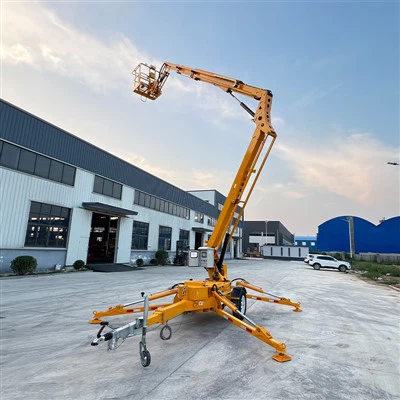
Shipbuilding is a complex and demanding industry that requires a wide range of specialized equipment to ensure efficient and safe operations. Among the various tools and machinery used in shipyards, the versatility of lifting equipment is crucial. One such piece of equipment that often comes into question for shipbuilding work is the Scissor Lift Cart. As a supplier of Scissor Lift Carts, I am frequently asked whether these devices are suitable for the unique challenges presented in ship construction. In this blog, we'll explore the potential uses, advantages, and limitations of Scissor Lift Carts in shipbuilding.
Understanding the Scissor Lift Cart
Before delving into its application in shipbuilding, let's first understand what a Scissor Lift Cart is. A Scissor Lift Cart is a type of mobile lifting platform that uses a scissor mechanism to raise and lower a work surface. It is typically designed to be maneuverable, often equipped with wheels for easy movement around a workspace. These carts can come in various load capacities and lifting heights, making them adaptable to different tasks. To learn more about our range of Scissor Lift Carts, you can visit our product page Scissor Lift Cart.
Potential Uses of Scissor Lift Carts in Shipbuilding
Access to Elevated Work Areas
One of the primary requirements in shipbuilding is access to elevated areas. Ships are large structures with multiple levels, and workers need to reach various heights for tasks such as welding, painting, and installing equipment. Scissor Lift Carts can provide a stable and secure platform for workers to perform these tasks. Their mobility allows them to be easily moved to different locations on the ship, providing quick access to areas that may be difficult to reach using traditional ladders or scaffolding.
For example, when installing electrical wiring or ventilation systems on the upper decks of a ship, a Scissor Lift Cart can be rolled into position and raised to the required height. This not only saves time but also reduces the risk of falls associated with working at heights.
Material Handling
Shipbuilding involves the movement of heavy materials, such as steel plates, pipes, and equipment. Scissor Lift Carts can be used to lift and transport these materials within the shipyard. They can be equipped with platforms or trays to hold the materials securely during transportation. Some models also have the ability to tilt, which can be useful for unloading materials at the desired location.
For instance, when moving steel plates from the storage area to the assembly line, a Scissor Lift Cart can lift the plates to a convenient height for loading onto a conveyor or other handling equipment. This helps to streamline the material handling process and improve overall efficiency.
Maintenance and Inspection
Regular maintenance and inspection are essential for ensuring the safety and reliability of ships. Scissor Lift Carts can be used to access hard-to-reach areas for maintenance and inspection tasks. They can provide a stable platform for workers to perform tasks such as checking for corrosion, inspecting welds, and replacing components.
For example, when inspecting the exterior of a ship's hull, a Scissor Lift Cart can be positioned alongside the ship and raised to the appropriate height. This allows workers to conduct a thorough inspection without the need for expensive and time-consuming scaffolding.
Advantages of Using Scissor Lift Carts in Shipbuilding
Mobility
One of the key advantages of Scissor Lift Carts is their mobility. They can be easily moved around the shipyard using their wheels, allowing them to be quickly positioned at the desired work location. This mobility is particularly useful in shipbuilding, where work areas may be spread out over a large area.
Versatility
Scissor Lift Carts are versatile pieces of equipment that can be used for a variety of tasks. They can be customized with different platforms, accessories, and controls to meet the specific requirements of shipbuilding work. For example, they can be equipped with anti-slip surfaces, safety rails, and tool trays to enhance worker safety and productivity.
Cost-Effectiveness
Compared to other types of lifting equipment, such as cranes and scaffolding, Scissor Lift Carts are relatively cost-effective. They require less capital investment and maintenance, making them an attractive option for shipyards with limited budgets. Additionally, their mobility and versatility can help to reduce labor costs by increasing worker efficiency.
Limitations of Using Scissor Lift Carts in Shipbuilding
Limited Lifting Height
One of the main limitations of Scissor Lift Carts is their limited lifting height. While they can provide access to a range of elevated work areas, they may not be suitable for tasks that require access to very high levels. For example, when working on the superstructure of a large ship, a Scissor Lift Cart may not be able to reach the required height.
Load Capacity
Another limitation is the load capacity of Scissor Lift Carts. While they are available in a range of load capacities, they may not be able to handle extremely heavy loads. In shipbuilding, where large and heavy materials are often used, this can be a significant limitation.
Environmental Conditions
Scissor Lift Carts are typically designed for indoor or outdoor use in relatively stable environmental conditions. In shipbuilding, however, workers may need to operate in harsh environments, such as extreme temperatures, high winds, or wet conditions. These environmental factors can affect the performance and safety of Scissor Lift Carts.
Considerations for Using Scissor Lift Carts in Shipbuilding
Safety
Safety should always be the top priority when using Scissor Lift Carts in shipbuilding. Workers should be properly trained on how to operate the equipment safely, including how to use the safety features such as safety rails, emergency stop buttons, and overload protection. Additionally, the equipment should be regularly inspected and maintained to ensure its safe operation.


Compatibility with Shipbuilding Processes
Before using Scissor Lift Carts in shipbuilding, it is important to ensure that they are compatible with the specific shipbuilding processes and requirements. For example, the size and shape of the work area, the weight and size of the materials being handled, and the type of tasks being performed should all be considered.
Regulatory Requirements
Shipbuilding is a highly regulated industry, and there are strict safety and environmental regulations that must be complied with. When using Scissor Lift Carts in shipbuilding, it is important to ensure that the equipment meets all relevant regulatory requirements. This may include obtaining the necessary certifications and approvals.
Conclusion
In conclusion, Scissor Lift Carts can be a useful tool in shipbuilding, providing access to elevated work areas, facilitating material handling, and supporting maintenance and inspection tasks. However, they also have some limitations, such as limited lifting height, load capacity, and environmental suitability. When considering the use of Scissor Lift Carts in shipbuilding, it is important to carefully evaluate their advantages and limitations, and to ensure that they are used in a safe and appropriate manner.
If you are involved in shipbuilding and are interested in learning more about how our Scissor Lift Carts can meet your needs, we encourage you to contact us to discuss your specific requirements and explore the possibility of a purchase. Additionally, if you are looking for a similar but more table - like option, you can check out our Trolly Scissor Lift Table. We look forward to the opportunity to work with you and contribute to the success of your shipbuilding projects.
References
- Shipbuilding Industry Handbook: A comprehensive guide to shipbuilding processes, equipment, and safety regulations.
- Scissor Lift Cart Manufacturer's Manual: Provides detailed information on the features, operation, and maintenance of Scissor Lift Carts.
- Occupational Safety and Health Administration (OSHA) Standards for Shipyards: Outlines the safety requirements for working in shipbuilding environments.