As a supplier of scissor lift tables, I've had the privilege of witnessing the incredible engineering and functionality that goes into these essential pieces of equipment. One of the key aspects that make scissor lift tables so effective is their hydraulic components. In this blog post, I'll delve into the various hydraulic components of scissor lift tables, explaining their functions and importance.
Hydraulic Pump
The hydraulic pump is the heart of the scissor lift table's hydraulic system. It is responsible for generating the pressure needed to move the lift table up and down. There are two main types of hydraulic pumps used in scissor lift tables: gear pumps and piston pumps.
Gear pumps are the most common type of pump used in scissor lift tables. They are relatively simple in design and are known for their reliability and efficiency. Gear pumps work by using two gears that mesh together to create a vacuum, which draws in hydraulic fluid from the reservoir. As the gears rotate, the fluid is forced out of the pump and into the hydraulic system.
Piston pumps, on the other hand, are more complex and are typically used in high-pressure applications. They work by using a piston that moves back and forth inside a cylinder to create pressure. Piston pumps are more efficient than gear pumps and can generate higher pressures, but they are also more expensive and require more maintenance.
Hydraulic Cylinder
The hydraulic cylinder is another essential component of the scissor lift table's hydraulic system. It is responsible for converting the hydraulic pressure generated by the pump into mechanical force, which is used to lift and lower the lift table.
Hydraulic cylinders consist of a cylinder barrel, a piston, and a rod. The cylinder barrel is a hollow tube that houses the piston and the rod. The piston is a disc-shaped component that moves back and forth inside the cylinder barrel. The rod is attached to the piston and extends outside the cylinder barrel.
When hydraulic fluid is pumped into the cylinder barrel, it creates pressure on the piston, causing it to move. As the piston moves, it pushes the rod out of the cylinder barrel, which in turn raises the lift table. When the hydraulic fluid is released from the cylinder barrel, the pressure on the piston is reduced, causing it to move back into the cylinder barrel. As the piston moves back, it pulls the rod back into the cylinder barrel, which in turn lowers the lift table.
Hydraulic Reservoir
The hydraulic reservoir is a container that stores the hydraulic fluid used in the scissor lift table's hydraulic system. It is typically made of metal or plastic and is located near the hydraulic pump.
The hydraulic reservoir serves several important functions. First, it provides a supply of hydraulic fluid for the pump to draw from. Second, it helps to cool the hydraulic fluid by dissipating heat. Third, it allows air to escape from the hydraulic system, which helps to prevent air bubbles from forming in the hydraulic fluid.
Hydraulic Hoses and Fittings
Hydraulic hoses and fittings are used to connect the various components of the scissor lift table's hydraulic system. They are responsible for transporting the hydraulic fluid from the pump to the cylinder and back to the reservoir.
Hydraulic hoses are typically made of rubber or synthetic materials and are designed to withstand high pressures. They are available in a variety of sizes and lengths to meet the specific needs of the scissor lift table.
Hydraulic fittings are used to connect the hoses to the various components of the hydraulic system. They are typically made of metal and are designed to provide a secure and leak-free connection.
Control Valves
Control valves are used to regulate the flow of hydraulic fluid in the scissor lift table's hydraulic system. They are responsible for controlling the speed and direction of the lift table's movement.
There are several types of control valves used in scissor lift tables, including directional control valves, pressure control valves, and flow control valves.
Directional control valves are used to control the direction of the hydraulic fluid flow. They are typically operated by a lever or a solenoid and are used to control the up and down movement of the lift table.
Pressure control valves are used to regulate the pressure of the hydraulic fluid in the system. They are typically set to a specific pressure and are used to prevent the system from overloading.
Flow control valves are used to regulate the flow rate of the hydraulic fluid in the system. They are typically used to control the speed of the lift table's movement.
Importance of Hydraulic Components
The hydraulic components of scissor lift tables play a crucial role in their performance and reliability. Without these components, the lift table would not be able to function properly.
The hydraulic pump is responsible for generating the pressure needed to move the lift table up and down. Without a reliable pump, the lift table would not be able to lift heavy loads or move smoothly.
The hydraulic cylinder is responsible for converting the hydraulic pressure generated by the pump into mechanical force. Without a properly functioning cylinder, the lift table would not be able to lift or lower the load.
The hydraulic reservoir is responsible for storing the hydraulic fluid used in the system. Without a sufficient supply of hydraulic fluid, the pump would not be able to function properly.
The hydraulic hoses and fittings are responsible for transporting the hydraulic fluid from the pump to the cylinder and back to the reservoir. Without a secure and leak-free connection, the hydraulic system would not be able to function properly.
The control valves are responsible for regulating the flow of hydraulic fluid in the system. Without proper control valves, the lift table would not be able to move smoothly or safely.
Conclusion
In conclusion, the hydraulic components of scissor lift tables are essential for their performance and reliability. The hydraulic pump, cylinder, reservoir, hoses, fittings, and control valves all work together to ensure that the lift table can lift heavy loads and move smoothly and safely.
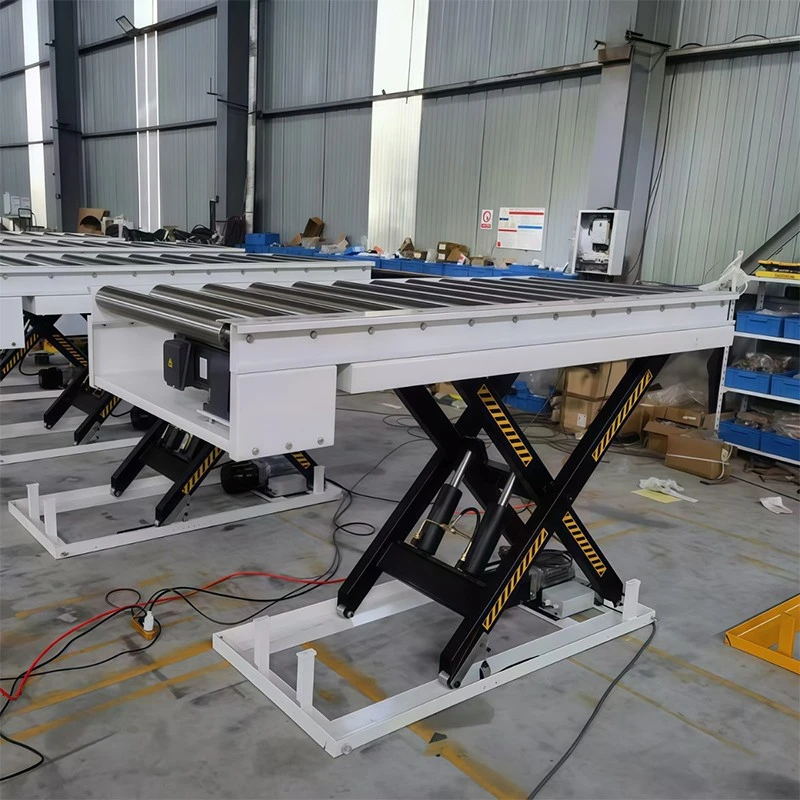
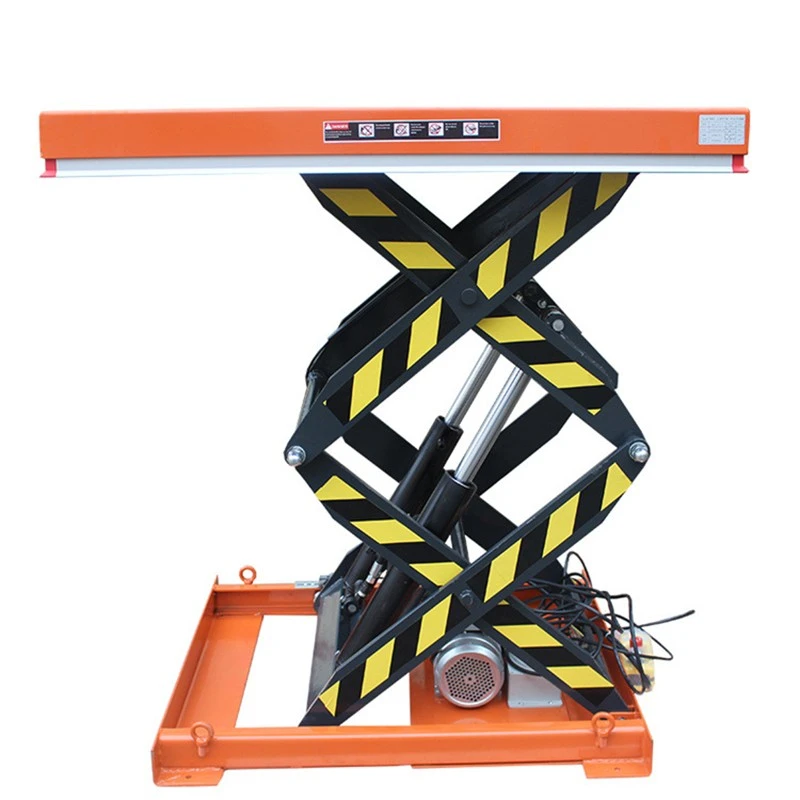
If you're in the market for a scissor lift table, it's important to choose a supplier that uses high-quality hydraulic components. At [Our Company], we pride ourselves on using only the best hydraulic components in our scissor lift tables. Our lift tables are designed to meet the highest standards of quality and reliability, and we offer a wide range of models to choose from, including Hydraulic Scissor Lift Tables, Stationary Scissor Lift Tables, and Vertical Scissor Lift Tables.
If you have any questions or would like to learn more about our scissor lift tables, please don't hesitate to contact us. We'd be happy to help you find the perfect lift table for your needs.