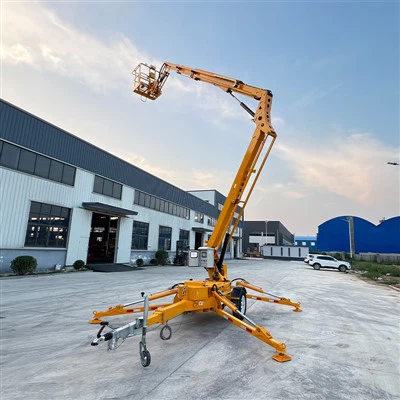
Manual scissor lifts are indispensable equipment in various industries, offering a practical and cost - effective solution for vertical lifting tasks. As a trusted manual scissor lift supplier, we understand the importance of proper maintenance to ensure the longevity, safety, and optimal performance of these machines. In this blog, we will delve into the essential maintenance requirements for manual scissor lifts.
1. Regular Visual Inspections
Visual inspections are the first line of defense in maintaining a manual scissor lift. Before each use, operators should conduct a thorough visual check of the lift. Inspect the platform for any signs of damage, such as cracks, dents, or loose parts. Check the scissor arms for bent or worn components. Look for any signs of rust or corrosion, which can weaken the structure over time.
The hydraulic system also needs close attention. Inspect the hydraulic hoses for leaks, cuts, or abrasions. Leaking hydraulic fluid can not only lead to a loss of lifting power but also pose a safety hazard. Check the hydraulic reservoir to ensure it is filled to the appropriate level. If there are any visible signs of fluid leakage, the lift should not be used until the issue is resolved.
2. Lubrication
Proper lubrication is crucial for the smooth operation of a manual scissor lift. The moving parts of the scissor mechanism, such as the pivot points and rollers, need to be lubricated regularly. Use a high - quality lubricant recommended by the manufacturer. Over - lubrication can attract dirt and debris, which can cause premature wear, so it's important to apply the right amount of lubricant.
The wheels of the scissor lift also require lubrication. This helps in easy movement and reduces friction. Check the wheel bearings and axles and apply lubricant as needed. If the wheels are damaged or worn, they should be replaced promptly to ensure the stability and mobility of the lift.
3. Tightening of Fasteners
Vibrations during operation can cause fasteners such as bolts and nuts to loosen. Regularly check all the fasteners on the manual scissor lift and tighten them if necessary. This includes the fasteners on the platform, scissor arms, and the base. Loose fasteners can compromise the structural integrity of the lift and lead to dangerous situations.
Use the appropriate tools to tighten the fasteners to the manufacturer's specified torque. Over - tightening can also cause damage to the components, so it's important to follow the recommended torque values.
4. Hydraulic System Maintenance
The hydraulic system is the heart of a manual scissor lift. In addition to visual inspections for leaks, the hydraulic fluid should be changed at regular intervals. Over time, the hydraulic fluid can become contaminated with dirt, debris, and moisture, which can affect the performance of the system.
The hydraulic filter also needs to be replaced periodically. A clogged filter can restrict the flow of hydraulic fluid, leading to reduced lifting power and potential damage to the hydraulic pump. Follow the manufacturer's guidelines for the frequency of fluid changes and filter replacements.
5. Electrical System (if applicable)
Some manual scissor lifts may have electrical components, such as control switches or lights. If your lift has an electrical system, check the wiring for any signs of damage, such as frayed wires or loose connections. Test the electrical components regularly to ensure they are functioning properly.

If there are any electrical problems, it's important to have them repaired by a qualified electrician. Electrical malfunctions can not only cause the lift to malfunction but also pose a risk of electrical shock.
6. Safety Devices Check
Manual scissor lifts are equipped with various safety devices, such as overload protection, emergency stop buttons, and safety rails. Regularly test these safety devices to ensure they are in working condition.
The overload protection system should be tested to ensure it can detect and prevent the lift from being overloaded. The emergency stop button should be easily accessible and functional at all times. Check the safety rails for any signs of damage or looseness.
7. Storage and Environment
Proper storage of the manual scissor lift is also an important part of maintenance. When not in use, the lift should be stored in a dry, clean, and well - ventilated area. Avoid storing the lift in areas where it can be exposed to extreme temperatures, moisture, or chemicals.
If the lift is stored outdoors, it should be covered with a protective tarp to prevent damage from the elements. Regularly clean the lift to remove dirt, debris, and any corrosive substances that may have accumulated on the surface.
8. Operator Training
While not strictly a maintenance task, proper operator training is essential for the long - term maintenance of a manual scissor lift. Operators should be trained on the correct use of the lift, including how to perform pre - use inspections, operate the controls safely, and recognize potential problems.
Well - trained operators are more likely to notice early signs of wear or damage and report them promptly. This can help prevent minor issues from turning into major problems.
9. Comparison with Different Types of Manual Scissor Lifts
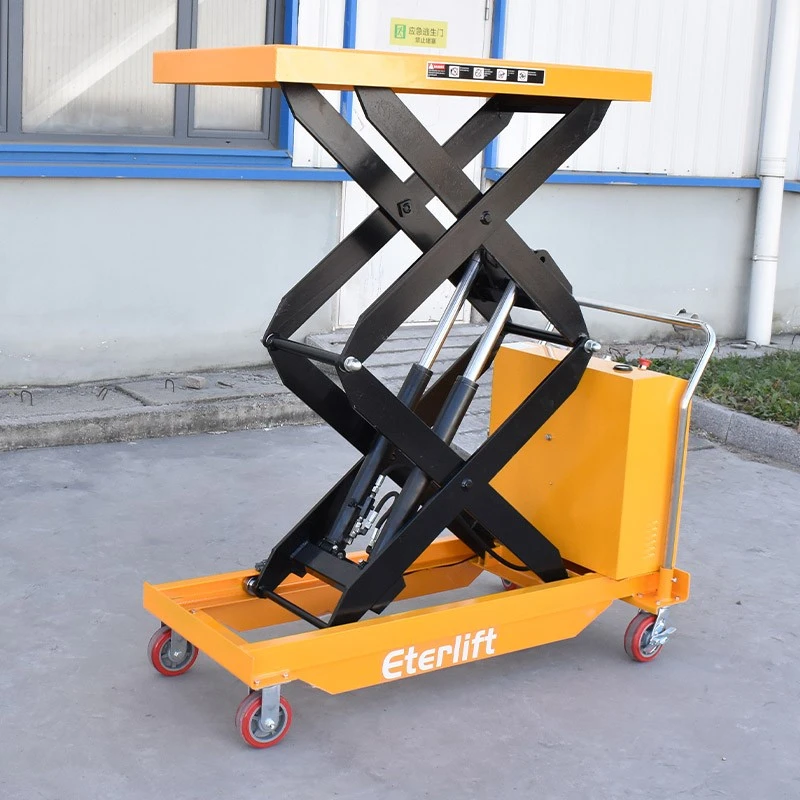
There are different types of manual scissor lifts available in the market, such as the Trolly Scissor Lift Table and the Scissor Lift Cart. While the basic maintenance principles remain the same, there may be some differences in the specific maintenance requirements.
For example, a trolly scissor lift table may require more attention to the wheels and casters due to its mobility. The scissor lift cart, on the other hand, may have different load - bearing requirements and may need more frequent checks of the structural integrity.
10. Conclusion
Proper maintenance of a manual scissor lift is essential for ensuring its safety, reliability, and longevity. By following the maintenance guidelines outlined above, you can minimize the risk of breakdowns, extend the lifespan of the lift, and ensure a safe working environment.
As a manual scissor lift supplier, we are committed to providing high - quality products and comprehensive support to our customers. If you have any questions about the maintenance of our manual scissor lifts or are interested in purchasing a lift, please feel free to contact us for further details and to start a procurement discussion.
References
- Manufacturer's manuals for manual scissor lifts
- Industry standards and guidelines for scissor lift maintenance