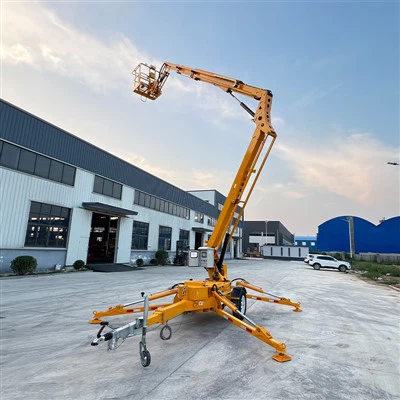
In the dynamic landscape of industrial operations, the efficient movement of goods is a cornerstone of productivity. Among the various tools available to streamline this process, cargo lifts stand out as a versatile and indispensable solution. As a seasoned cargo lift supplier, I've witnessed firsthand the transformative impact these machines can have on industrial settings. In this blog, we'll explore the viability of using cargo lifts in industrial environments, delving into their benefits, applications, and considerations.
The Benefits of Cargo Lifts in Industrial Settings
1. Enhanced Efficiency
One of the primary advantages of using a cargo lift in an industrial setting is the significant boost in efficiency. These lifts are designed to transport heavy loads vertically, eliminating the need for manual labor and reducing the time required to move goods between different levels. By automating the lifting process, cargo lifts can handle large volumes of materials quickly and safely, allowing businesses to increase their throughput and meet production deadlines.
2. Improved Safety
Safety is a top priority in any industrial environment, and cargo lifts play a crucial role in ensuring the well-being of workers. Unlike manual lifting, which can lead to injuries such as back strains and sprains, cargo lifts are equipped with safety features such as emergency stop buttons, overload protection, and safety gates. These features help prevent accidents and protect workers from harm, making cargo lifts a reliable and secure option for transporting goods.
3. Space Optimization
Industrial facilities often have limited space, and cargo lifts can help maximize the use of available space. By transporting goods vertically, these lifts eliminate the need for large ramps or conveyors, which can take up valuable floor space. This allows businesses to make the most of their facilities and increase their storage capacity, ultimately leading to cost savings and improved operational efficiency.
4. Customization Options
Cargo lifts can be customized to meet the specific needs of different industrial applications. Whether you need a lift to transport heavy machinery, pallets, or other materials, there are a variety of options available to suit your requirements. From small, compact lifts to large, heavy-duty models, cargo lifts can be designed to fit the dimensions and weight capacity of your facility, ensuring optimal performance and functionality.
Applications of Cargo Lifts in Industrial Settings
1. Manufacturing
In the manufacturing industry, cargo lifts are used to transport raw materials, finished products, and equipment between different levels of a production facility. They can be used to move heavy machinery, such as presses and lathes, as well as pallets of materials and components. By streamlining the movement of goods, cargo lifts help improve production efficiency and reduce downtime.
2. Warehousing
Warehouses are another common application for cargo lifts. These lifts are used to move goods between different levels of a warehouse, such as mezzanines and storage racks. They can also be used to load and unload trucks, making them an essential tool for logistics and distribution operations. By using cargo lifts, warehouses can increase their storage capacity and improve the efficiency of their operations.
3. Construction
In the construction industry, cargo lifts are used to transport building materials, tools, and equipment to different levels of a construction site. They can be used to move heavy loads, such as steel beams and concrete blocks, as well as smaller items, such as tools and supplies. By using cargo lifts, construction companies can improve the safety and efficiency of their operations, reducing the risk of accidents and delays.
4. Automotive
The automotive industry also relies on cargo lifts to transport vehicles and parts between different levels of a manufacturing or assembly plant. These lifts can be used to move cars, trucks, and other vehicles, as well as engines, transmissions, and other components. By using cargo lifts, automotive companies can improve the efficiency of their production processes and reduce the time and cost associated with moving vehicles and parts.
Considerations When Using Cargo Lifts in Industrial Settings
1. Load Capacity
When selecting a cargo lift for an industrial setting, it's important to consider the load capacity of the lift. The load capacity refers to the maximum weight that the lift can safely carry. It's important to choose a lift with a load capacity that is appropriate for the types of materials and equipment that you need to transport.
2. Lift Height
The lift height is another important consideration when choosing a cargo lift. The lift height refers to the maximum height that the lift can reach. It's important to choose a lift with a lift height that is appropriate for the height of your facility and the types of materials and equipment that you need to transport.
3. Safety Features
As mentioned earlier, safety is a top priority in any industrial environment. When choosing a cargo lift, it's important to ensure that the lift is equipped with the necessary safety features, such as emergency stop buttons, overload protection, and safety gates. These features help prevent accidents and protect workers from harm.
4. Maintenance and Service
Like any other piece of equipment, cargo lifts require regular maintenance and service to ensure optimal performance and reliability. It's important to choose a cargo lift supplier that offers comprehensive maintenance and service options, including regular inspections, repairs, and replacements.
Types of Cargo Lifts
1. Goods Lift
A Goods Lift is a type of cargo lift that is designed to transport goods between different levels of a building. These lifts are typically used in commercial and industrial settings, such as warehouses, factories, and offices. Goods lifts can be customized to meet the specific needs of different applications, including load capacity, lift height, and speed.
2. Hydraulic Lift
A Hydraulic Lift is a type of cargo lift that uses hydraulic power to raise and lower the platform. These lifts are typically used for heavy-duty applications, such as transporting large machinery and equipment. Hydraulic lifts are known for their reliability, durability, and high load capacity.
3. Materials Cargo Lift
A Materials Cargo Lift is a type of cargo lift that is designed to transport materials and supplies between different levels of a building. These lifts are typically used in industrial settings, such as manufacturing plants and warehouses. Materials cargo lifts can be customized to meet the specific needs of different applications, including load capacity, lift height, and speed.
Conclusion
In conclusion, cargo lifts are a valuable asset in any industrial setting. They offer a range of benefits, including enhanced efficiency, improved safety, space optimization, and customization options. By choosing the right cargo lift for your specific needs and ensuring that it is properly maintained and serviced, you can improve the productivity and profitability of your business.

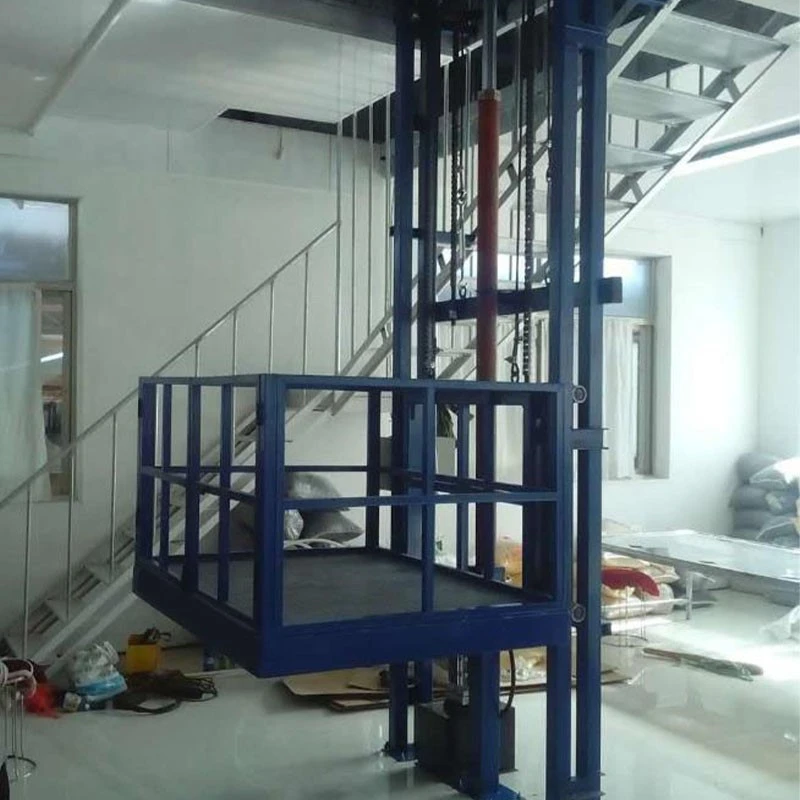
If you're interested in learning more about cargo lifts and how they can benefit your industrial operation, please don't hesitate to contact us. Our team of experts is available to answer your questions and provide you with a free consultation. We look forward to helping you find the perfect cargo lift solution for your business.
References
- "Industrial Cargo Lifts: A Comprehensive Guide." Industrial Equipment Today.
- "The Benefits of Using Cargo Lifts in Industrial Settings." Manufacturing Today.
- "Cargo Lifts: Types, Applications, and Considerations." Logistics Management.