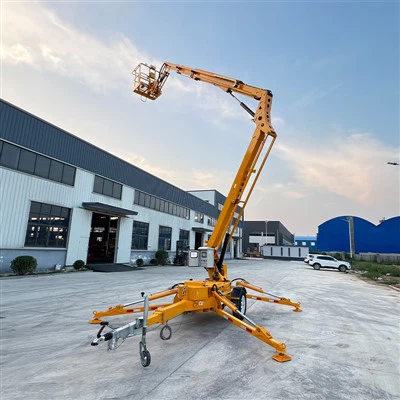
As a supplier of personal mast lifts, I often get asked about the power sources that these versatile machines use. Personal mast lifts are essential equipment for various industries, including construction, maintenance, and warehousing. They provide a safe and efficient way to access elevated work areas. Understanding the different power sources available for personal mast lifts is crucial for making an informed decision when purchasing or renting one.
Battery-Powered Personal Mast Lifts
Battery-powered personal mast lifts are one of the most popular choices in the market. They offer several advantages, making them suitable for a wide range of applications.
Advantages
- Quiet Operation: Battery-powered lifts operate silently, which is ideal for indoor use or in noise-sensitive environments. This makes them perfect for tasks in hospitals, schools, and office buildings where noise can be a distraction.
- Zero Emissions: These lifts produce no exhaust fumes, making them environmentally friendly. They are a great option for indoor work areas with poor ventilation, as they do not contribute to air pollution.
- Low Maintenance: Batteries are relatively easy to maintain compared to other power sources. Regular charging and occasional battery checks are usually sufficient to keep the lift in good working condition.
Disadvantages
- Limited Runtime: The runtime of a battery-powered lift depends on the battery capacity and the intensity of use. If you have a long workday or need to use the lift continuously, you may need to recharge the batteries multiple times.
- Charging Time: Charging the batteries can take several hours, which can be a drawback if you need to use the lift immediately.
One of our popular battery-powered models is the 6m Self-Propelled Vertical Mast Lifts. It offers a reliable and efficient solution for accessing heights up to 6 meters.
Electric-Powered Personal Mast Lifts
Electric-powered personal mast lifts are similar to battery-powered ones, but they are connected to a power source via a cord.
Advantages
- Unlimited Runtime: As long as the lift is connected to a power source, it can operate continuously without the need for recharging. This makes them suitable for long-term projects or tasks that require extended use.
- High Power Output: Electric-powered lifts can provide more power than battery-powered ones, allowing them to handle heavier loads and perform more demanding tasks.
Disadvantages
- Limited Mobility: The cord restricts the movement of the lift, making it less suitable for tasks that require a lot of maneuverability or access to remote areas.
- Risk of Tripping Hazards: The cord can pose a tripping hazard, especially in busy work areas.
Our Vertical Mast Lift is an example of an electric-powered lift that offers a stable and reliable solution for various applications.
Gasoline-Powered Personal Mast Lifts
Gasoline-powered personal mast lifts are suitable for outdoor use, especially in areas where access to electricity is limited.

Advantages
- High Mobility: Gasoline-powered lifts are not restricted by cords or battery life, allowing them to move freely around the work area. This makes them ideal for large outdoor projects or tasks that require frequent repositioning.
- High Power Output: Gasoline engines can provide more power than electric or battery-powered lifts, making them suitable for heavy-duty applications.
Disadvantages
- Noise and Emissions: Gasoline engines produce noise and exhaust fumes, which can be a nuisance in residential areas or indoor environments.
- Higher Maintenance: Gasoline engines require more maintenance than electric or battery-powered lifts, including regular oil changes and tune-ups.
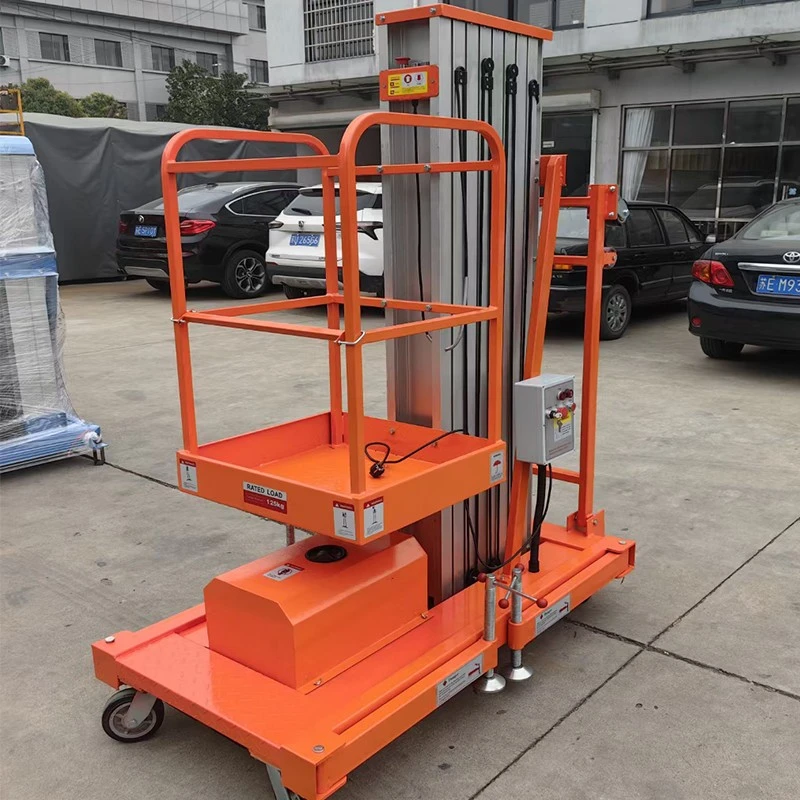
Our Self-propelled Vertical Mast Lift is a gasoline-powered lift that offers excellent mobility and performance for outdoor work.
Choosing the Right Power Source
When choosing a power source for your personal mast lift, there are several factors to consider:
- Application: Consider the type of work you will be doing and the environment in which the lift will be used. If you are working indoors or in a noise-sensitive area, a battery or electric-powered lift may be the best choice. If you are working outdoors or in areas without access to electricity, a gasoline-powered lift may be more suitable.
- Runtime: If you need to use the lift for an extended period, consider a power source that offers a long runtime. Battery-powered lifts may require multiple recharges, while electric-powered lifts can operate continuously as long as they are connected to a power source.
- Mobility: If you need to move the lift around frequently or access remote areas, a gasoline-powered lift may be the best option. Battery and electric-powered lifts are more restricted in terms of mobility.
- Cost: Consider the initial cost of the lift, as well as the ongoing costs of maintenance and fuel. Battery and electric-powered lifts may have a higher initial cost, but they are generally more cost-effective in the long run due to lower maintenance and fuel costs.
Conclusion
In conclusion, the power source you choose for your personal mast lift depends on your specific needs and requirements. Battery-powered lifts are ideal for indoor use and noise-sensitive environments, while electric-powered lifts offer unlimited runtime and high power output. Gasoline-powered lifts are suitable for outdoor use and tasks that require high mobility. By considering the factors mentioned above, you can make an informed decision and choose the power source that is best for your application.
If you are interested in purchasing or renting a personal mast lift, please contact us for more information. Our team of experts can help you choose the right lift and power source for your needs. We look forward to working with you.
References
- Manufacturer's manuals and specifications for personal mast lifts.
- Industry standards and regulations for aerial work platforms.