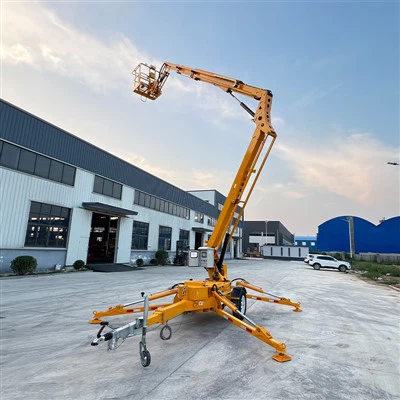
Hey there! As an order picker supplier, I often get asked about the types of batteries used in order pickers. It's a crucial topic because the right battery can make a huge difference in the performance and efficiency of these machines. So, let's dive into the world of order picker batteries.
Types of Batteries for Order Pickers
Lead - Acid Batteries
Lead - acid batteries are one of the most common types used in order pickers. They've been around for a long time and are well - known for their reliability. These batteries work by converting chemical energy into electrical energy through a series of chemical reactions between lead, lead dioxide, and sulfuric acid.
One of the big advantages of lead - acid batteries is their relatively low cost. They're a budget - friendly option for many businesses, especially those just starting out or on a tight budget. They also have a high surge current, which means they can deliver a large amount of power quickly. This is great for order pickers, as they often need to start and stop suddenly, and perform quick maneuvers.
However, lead - acid batteries do have some drawbacks. They're heavy, which can add to the overall weight of the order picker and reduce its energy efficiency. They also require regular maintenance, such as topping up the electrolyte levels and cleaning the terminals. And they have a relatively short lifespan compared to some other battery types, usually around 3 - 5 years.
Lithium - Ion Batteries
Lithium - ion batteries are becoming increasingly popular in order pickers. They're lighter than lead - acid batteries, which can improve the order picker's maneuverability and energy efficiency. Lithium - ion batteries also have a higher energy density, meaning they can store more energy in a smaller space.
Another great thing about lithium - ion batteries is their long lifespan. They can last up to 10 years or more, which is a significant advantage over lead - acid batteries. They also charge faster, which can reduce downtime and increase productivity. For example, a lithium - ion battery can be fully charged in a few hours, while a lead - acid battery may take 8 - 10 hours.
However, lithium - ion batteries are more expensive than lead - acid batteries. The initial investment can be a bit of a hurdle for some businesses. Also, they require a more sophisticated charging system to ensure safe and efficient charging.
Nickel - Cadmium (Ni - Cd) Batteries
Nickel - cadmium batteries were once quite popular in industrial applications, including order pickers. They have a high discharge rate, which means they can provide a lot of power quickly. They're also very durable and can withstand a wide range of temperatures.
One of the advantages of Ni - Cd batteries is their ability to be recharged quickly and frequently without suffering from the "memory effect" as much as some other battery types. The memory effect is when a battery "remembers" the point at which it was previously discharged and loses some of its capacity.
But Ni - Cd batteries have some significant drawbacks. They contain cadmium, which is a toxic heavy metal. This makes them environmentally unfriendly and requires special disposal procedures. They also have a lower energy density compared to lithium - ion batteries, which means they're bulkier and heavier for the same amount of energy storage.
Choosing the Right Battery for Your Order Picker
When it comes to choosing the right battery for your order picker, there are several factors to consider.


Usage Requirements
If your order picker is used for short, intermittent tasks, a lead - acid battery might be a good option. They're cost - effective and can handle short bursts of power. However, if your order picker is used for long, continuous shifts, a lithium - ion battery might be a better choice. Their fast charging and long lifespan can keep your order picker running smoothly throughout the day.
Budget
Budget is always an important consideration. If you're on a tight budget, lead - acid batteries are the more affordable option. But if you can afford the initial investment, the long - term savings and benefits of lithium - ion batteries might be worth it.
Environmental Impact
If your business is environmentally conscious, you might want to avoid Ni - Cd batteries due to their toxic cadmium content. Lithium - ion batteries are generally considered more environmentally friendly, although their production also has some environmental impacts.
Our Order Picker Offerings
We offer a wide range of order pickers, including Self - propelled Order Picker and Semi Electric Order Picker. These order pickers can be customized with different battery options to suit your specific needs.
Whether you're looking for a cost - effective lead - acid battery solution or a high - performance lithium - ion battery, we've got you covered. Our team of experts can help you choose the right battery and order picker combination for your business.
Let's Talk!
If you're interested in learning more about our order pickers and battery options, or if you have any questions, don't hesitate to get in touch. We're here to help you find the perfect solution for your order picking needs. Contact us today to start a conversation about your requirements and how we can assist you.
References
- Battery University: A comprehensive resource on battery technology and usage.
- Industrial Equipment Manufacturers Association: Provides industry - specific information on order pickers and battery types.