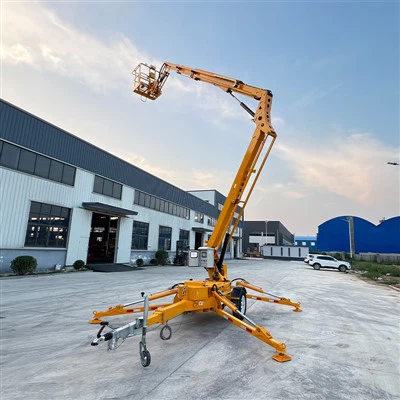
Hey there! As a supplier of container ramps, I often get asked about how often these ramps should be inspected. It's a crucial question because the safety and efficiency of your loading and unloading operations depend on the condition of these ramps. So, let's dive right in and explore this topic.
Why Inspections Are Super Important
First off, why do we even need to inspect container ramps? Well, these ramps are constantly exposed to heavy loads, rough usage, and various environmental factors. Over time, this can lead to wear and tear, structural damage, or other issues that could compromise their safety.
Imagine a forklift moving heavy pallets up and down a ramp. If the ramp has a hidden crack or a loose bolt, it could cause the forklift to tip over, leading to serious injuries and costly damages. Regular inspections help catch these problems early, preventing accidents and ensuring smooth operations.
Factors Affecting Inspection Frequency
The frequency of container ramp inspections isn't a one - size - fits - all thing. There are several factors that come into play:
Usage Intensity
If your container ramp is used multiple times a day, every day, it's going to experience more wear and tear compared to a ramp that's only used occasionally. For high - usage ramps, more frequent inspections are necessary. A ramp that's used continuously in a busy warehouse might need to be inspected weekly or even daily in some cases. On the other hand, a ramp that's used once a month could get away with a quarterly inspection.
Load Capacity
The weight of the loads being moved on the ramp also matters. If you're regularly moving heavy machinery or large containers, the ramp is under more stress. High - load ramps should be inspected more often to ensure they can handle the constant pressure. For example, a Dock Ramp For Forklift that's used to load heavy forklifts might need more frequent checks than a ramp used for lighter loads.
Environmental Conditions
The environment where the ramp is located can have a big impact on its condition. If the ramp is exposed to harsh weather conditions like extreme heat, cold, rain, or saltwater, it can corrode or degrade faster. Ramps in coastal areas or areas with high humidity should be inspected more frequently to check for signs of rust and corrosion.
Recommended Inspection Schedules
Based on the factors above, here are some general guidelines for how often container ramps should be inspected:
Daily Checks
For ramps that are in constant use, a quick daily check is a good idea. This can be a visual inspection to look for any obvious signs of damage, such as cracks, loose parts, or uneven surfaces. Operators can do this before starting their shift to ensure the ramp is safe to use.
Weekly Inspections
If your ramp is used frequently, a more thorough weekly inspection is recommended. This should include checking the structural integrity of the ramp, the condition of the surface, and the functionality of any moving parts. You can also check for signs of wear on the wheels (if it's a Mobile Loading Ramp) and the stability of the support legs.
Monthly Inspections
For ramps with moderate usage, a monthly inspection can be sufficient. During this inspection, you can perform more detailed checks, such as measuring the thickness of the ramp's metal components to check for corrosion, and testing the locking mechanisms to make sure they're working properly.


Quarterly Inspections
Ramps that are used less frequently can be inspected on a quarterly basis. This inspection should be a comprehensive review of the ramp's condition, including a detailed examination of all components and a load - testing if necessary.
What to Look for During Inspections
When inspecting a container ramp, there are several key things to look out for:
Structural Integrity
Check for any cracks, bends, or signs of deformation in the ramp's frame. These can weaken the ramp and make it unsafe to use. Pay special attention to the welds, as they are often the areas where stress is concentrated.
Surface Condition
The surface of the ramp should be in good condition. Look for any signs of wear, such as smooth spots or areas where the anti - slip coating has worn off. A slippery surface can be extremely dangerous for forklifts and other equipment.
Moving Parts
If the ramp has moving parts, such as hinges or wheels, make sure they are functioning properly. Check for any signs of excessive wear, looseness, or binding. Lubricate the moving parts as needed to ensure smooth operation.
Safety Features
Inspect the safety features of the ramp, such as guardrails, toe boards, and locking mechanisms. Make sure they are in place and functioning correctly. These features are essential for preventing accidents and protecting workers.
The Benefits of Regular Inspections
Regular inspections of container ramps offer several benefits:
Safety
The most obvious benefit is safety. By catching potential problems early, you can prevent accidents and injuries in the workplace. This not only protects your employees but also reduces the risk of costly lawsuits and insurance claims.
Cost Savings
Regular inspections can save you money in the long run. By identifying and fixing small problems before they become major issues, you can avoid expensive repairs or the need to replace the ramp prematurely.
Efficiency
A well - maintained ramp operates more efficiently. It reduces the risk of breakdowns and downtime, allowing your loading and unloading operations to run smoothly. This can improve productivity and increase your bottom line.
Conclusion
So, how often should a container ramp be inspected? It depends on several factors, including usage intensity, load capacity, and environmental conditions. However, as a general rule, daily checks for high - usage ramps, weekly inspections for frequently used ramps, monthly inspections for moderately used ramps, and quarterly inspections for less - used ramps are recommended.
If you're in the market for a high - quality container ramp, we've got you covered. Our Manual Lifting Mobile Loading Ramp and other products are designed to meet the highest standards of safety and durability. Whether you need a ramp for occasional use or heavy - duty operations, we have the right solution for you.
If you're interested in learning more about our container ramps or have any questions about inspections, don't hesitate to reach out. We're here to help you make the best decision for your business.
References
- Occupational Safety and Health Administration (OSHA) guidelines on workplace safety.
- Industry standards for container ramp manufacturing and maintenance.