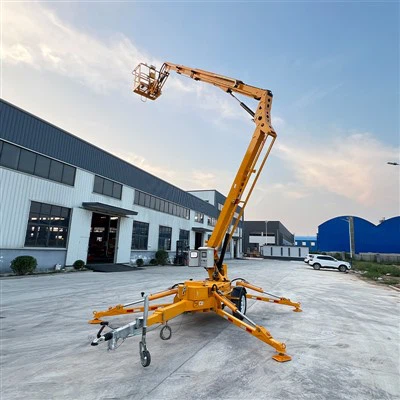
Hey there! I'm a supplier of single mast lifts, and I know firsthand how frustrating it can be when these machines act up. But don't worry, I'm here to walk you through how to troubleshoot a single mast lift like a pro.
1. Understanding the Basics
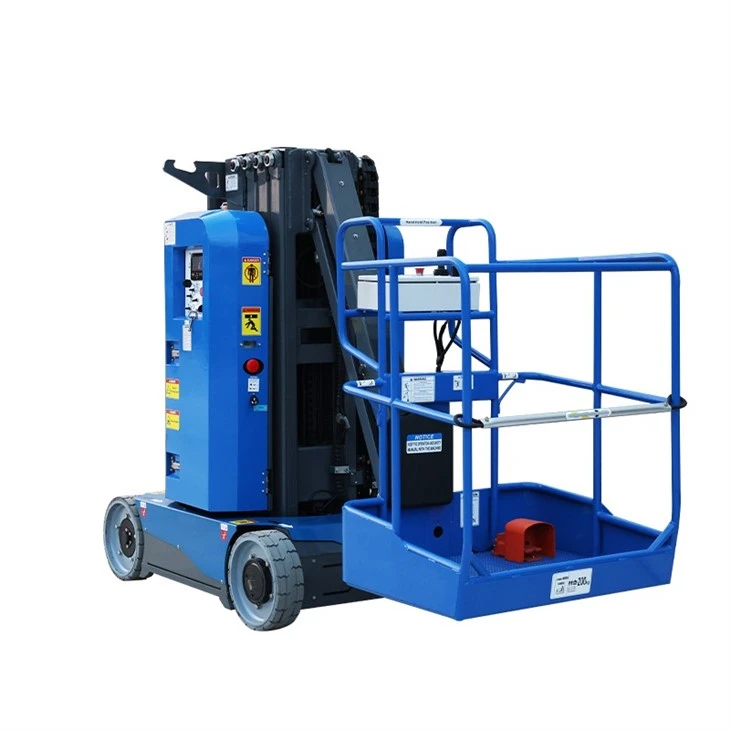
Before we dive into troubleshooting, let's quickly go over what a single mast lift is. A single mast lift, also known as a Vertical Mast Lift, is a type of aerial work platform designed to provide elevated access for various tasks. It's typically used in indoor and outdoor settings where you need to reach heights safely.
There are different types of single mast lifts, such as Aluminum Single Mast Lift and Self - propelled Vertical Mast With JIB. Each type has its own features and functions, but the basic troubleshooting steps are similar.
2. Pre - troubleshooting Checks
Before you start digging into the technical issues, there are a few simple checks you can do.
Power Supply
First, make sure the lift is properly connected to a power source. If it's an electric lift, check the power cord for any visible damage. If it's a battery - powered lift, check the battery level. A low battery can cause all sorts of problems, from slow operation to complete failure.
Safety Features
Inspect all the safety features of the lift, such as the emergency stop button, safety rails, and platform gates. Make sure they are in good working condition. A malfunctioning safety feature can be a sign of a bigger problem.
Visual Inspection
Take a good look at the lift. Check for any obvious signs of damage, such as bent masts, loose bolts, or leaking hydraulic fluid. If you see any of these issues, it's a clear indication that something is wrong.
3. Common Problems and Solutions
Lift Won't Move
- Electrical Issues: If the lift won't move, the first thing to check is the electrical system. Look for blown fuses or tripped circuit breakers. Sometimes, a simple reset can fix the problem. If the fuses are blown, replace them with the correct rating.
- Motor Problems: The motor might be the culprit. Check if the motor is getting power. You can use a multimeter to test the voltage. If the motor is not getting power, there could be a wiring issue. If the motor is getting power but still not working, it might be a problem with the motor itself, and you may need to replace it.
- Hydraulic System: For hydraulic lifts, a lack of movement could be due to a problem with the hydraulic pump or valves. Check the hydraulic fluid level. If it's low, top it up. Also, look for any signs of leaks in the hydraulic lines.
Lift Is Moving Slowly
- Battery Issues: If it's a battery - powered lift, a weak battery can cause slow movement. Charge the battery fully and see if the problem persists. If the battery is old and not holding a charge, it might need to be replaced.
- Hydraulic Fluid: In hydraulic lifts, dirty or low hydraulic fluid can slow down the lift. Change the hydraulic fluid according to the manufacturer's recommendations.
- Overloading: Make sure the lift is not overloaded. Check the weight capacity of the lift and ensure that the load on the platform is within the specified limit.
Lift Won't Go Up or Down
- Limit Switches: The limit switches are designed to stop the lift at the maximum and minimum heights. If the lift won't go up or down, the limit switches might be malfunctioning. Check the switches for any signs of damage or misalignment.
- Control Panel: The control panel could be the problem. Check the buttons and controls for any damage. Sometimes, a loose connection in the control panel can prevent the lift from operating properly.
4. Advanced Troubleshooting
If the basic troubleshooting steps don't solve the problem, it might be time to dig deeper.

Diagnostic Tools
Use diagnostic tools to identify the problem. Some single mast lifts come with built - in diagnostic systems that can display error codes. These codes can give you a clue about what's wrong with the lift. You can also use external diagnostic tools, such as a fault code reader, to get more detailed information.
Professional Help
If you're still unable to solve the problem, it's a good idea to call in a professional. A trained technician has the expertise and tools to diagnose and fix complex problems. They can also perform regular maintenance on the lift to prevent future issues.
5. Preventive Maintenance
The best way to avoid troubleshooting is to perform regular preventive maintenance on your single mast lift.
Scheduled Inspections
Set up a schedule for regular inspections. Check the lift's components, such as the mast, hydraulic system, and electrical system, on a regular basis. Look for any signs of wear and tear and replace any parts that are damaged or worn out.
Lubrication
Keep the moving parts of the lift well - lubricated. This will reduce friction and wear, and help the lift operate smoothly.
Operator Training
Make sure your operators are properly trained. A well - trained operator can spot potential problems early and take the necessary steps to prevent them from becoming major issues.
6. Conclusion
Troubleshooting a single mast lift can seem daunting, but with the right knowledge and tools, you can handle most problems on your own. Remember to start with the basic checks, and if you're still stuck, don't hesitate to seek professional help.
If you're in the market for a single mast lift or need parts and maintenance services, we're here to help. Our team of experts can assist you in finding the right lift for your needs and provide you with top - notch support. Contact us to start a procurement discussion and let's work together to get you the best single mast lift solution.
References
- Manufacturer's manuals for single mast lifts
- Industry standards for aerial work platforms