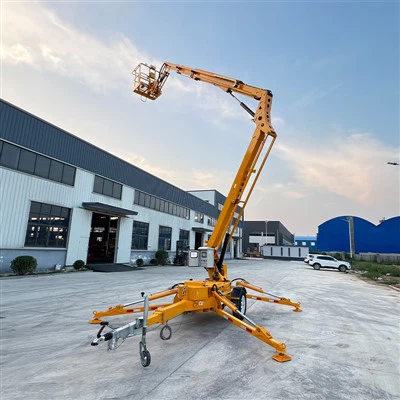
As a forklift supplier, I've witnessed firsthand the crucial role forklifts play on construction sites. These powerful machines are essential for moving heavy materials, speeding up construction processes, and ensuring efficiency. However, using a forklift on a construction site is not without its challenges. In this blog, I'll explore some of the key challenges faced when operating forklifts in construction environments and how we, as a supplier, can help address them.
1. Uneven and Rough Terrain
One of the most significant challenges on construction sites is the uneven and rough terrain. Construction sites are often in the process of being built, which means there are holes, bumps, and slopes everywhere. Forklifts are designed to operate on relatively flat surfaces, and navigating through uneven terrain can be extremely difficult and dangerous.
When a forklift moves on rough ground, it can cause instability, increasing the risk of tipping over. The uneven surface can also put extra stress on the forklift's tires and suspension system, leading to premature wear and tear. To mitigate this challenge, we offer forklifts with enhanced suspension systems and large, durable tires that can better handle rough terrain. For example, our heavy - duty forklifts are equipped with shock - absorbing features that help maintain stability on uneven ground.
2. Limited Space and Obstacles
Construction sites are typically crowded with various equipment, materials, and workers. This limited space makes it challenging to maneuver a forklift safely. Forklifts need sufficient space to turn, lift, and lower loads. In a confined area, it's easy to collide with obstacles such as building materials, scaffolding, or other machinery.
To address this issue, we provide forklifts with compact designs and excellent maneuverability. Our Walkie Pallet Stacker is a great option for tight spaces. It has a small turning radius and can easily navigate through narrow aisles, allowing operators to work efficiently even in crowded construction areas.
3. Dust and Debris
Construction sites generate a significant amount of dust and debris. This can have a negative impact on the forklift's performance and longevity. Dust can enter the engine, air filters, and other components, causing damage and reducing efficiency. Debris on the ground can also get caught in the forklift's wheels or undercarriage, leading to mechanical problems.
We recommend regular maintenance and cleaning of the forklifts to prevent dust and debris from causing issues. Our forklifts are designed with sealed components and high - quality air filters to minimize the ingress of dust. Additionally, we offer maintenance services and replacement parts to ensure that the forklifts are in optimal condition.
4. Variable Loads and Weight Distribution
On construction sites, the loads that forklifts need to handle can vary greatly in size, shape, and weight. Improper weight distribution can lead to instability and increase the risk of accidents. For example, if a load is not centered on the forks, the forklift may tip over.
We provide training to forklift operators on proper load handling and weight distribution. Our forklifts are also equipped with load sensors and warning systems that alert operators when the load exceeds the safe capacity or is not properly balanced. This helps to ensure the safety of the operators and the integrity of the forklift.


5. Weather Conditions
Construction projects are often carried out outdoors, which means forklifts are exposed to various weather conditions. Extreme heat, cold, rain, and snow can all affect the performance of the forklift. In cold weather, the battery life of electric forklifts may be reduced, and the hydraulic fluids may thicken, making it difficult to operate the forklift. In hot weather, the engine may overheat, and the tires may be more prone to blowouts.
We offer forklifts that are designed to withstand different weather conditions. For example, our electric forklifts have advanced battery management systems that can adapt to different temperatures. We also provide protective covers and insulation for forklifts to help them perform better in harsh weather.
6. Operator Training and Certification
Operating a forklift requires specialized skills and knowledge. On construction sites, where safety is of utmost importance, it's crucial that forklift operators are properly trained and certified. Many construction companies may not have the resources or expertise to provide comprehensive training to their operators.
As a forklift supplier, we offer training programs for forklift operators. Our training covers everything from basic operation and safety procedures to advanced load handling techniques. We also help operators obtain the necessary certifications, ensuring that they are qualified to operate forklifts on construction sites.
7. Regulatory Compliance
Construction sites are subject to various regulations and safety standards. Forklift operations must comply with these regulations to ensure the safety of workers and the public. Failure to comply with these regulations can result in fines, legal issues, and accidents.
We stay up - to - date with the latest regulations and ensure that our forklifts meet all the necessary safety requirements. We also provide documentation and support to help our customers comply with regulatory standards.
8. Maintenance and Repairs
Forklifts, like any other machinery, require regular maintenance and occasional repairs. On construction sites, where the equipment is used intensively, the need for maintenance is even more critical. However, finding qualified technicians and obtaining replacement parts can be a challenge, especially in remote construction locations.
We have a network of service technicians who are available to provide on - site maintenance and repair services. We also maintain a large inventory of replacement parts to ensure quick turnaround times for repairs. This helps to minimize downtime and keep the construction projects on schedule.
In conclusion, using a forklift on a construction site presents numerous challenges. However, as a forklift supplier, we are committed to providing solutions to these challenges. Our high - quality forklifts, comprehensive training programs, and reliable maintenance services can help construction companies overcome these obstacles and operate forklifts safely and efficiently.
If you're in the construction industry and are looking for a reliable forklift supplier, we'd love to hear from you. Contact us to discuss your forklift needs and find the best solutions for your construction projects.
References
- OSHA (Occupational Safety and Health Administration) guidelines on forklift safety.
- Industry reports on forklift usage in construction sites.