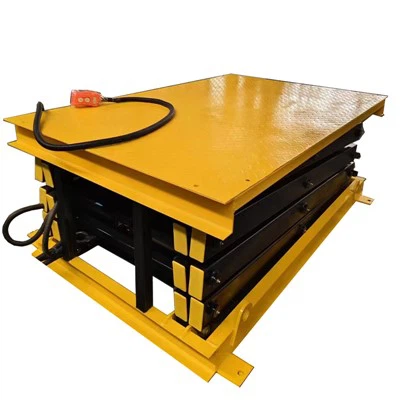
As a supplier of lift tables, I understand the importance of proper maintenance to ensure the longevity and optimal performance of these essential pieces of equipment. Lift tables are widely used in various industries for tasks such as material handling, assembly, and positioning. To keep your lift table in top condition, it is crucial to follow a regular maintenance schedule and address any issues promptly. In this blog post, I will discuss the key maintenance requirements for a lift table and provide some tips to help you keep your equipment running smoothly.


Regular Inspections
Regular inspections are the foundation of any maintenance program. By conducting routine checks, you can identify potential problems early and take corrective action before they escalate into major issues. Here are some key areas to inspect:
- Structural Integrity: Check the frame, legs, and other structural components for signs of damage, such as cracks, bends, or corrosion. Pay special attention to welds and connections, as these are critical areas that can weaken over time.
- Hydraulic System: Inspect the hydraulic hoses, fittings, and cylinders for leaks, damage, or wear. Check the hydraulic fluid level and ensure it is within the recommended range. If the fluid appears dirty or contaminated, it should be replaced.
- Electrical System: Examine the electrical wiring, switches, and controls for any signs of damage or loose connections. Test the emergency stop button to ensure it is functioning properly.
- Safety Features: Verify that all safety features, such as overload protection, limit switches, and safety rails, are in working order. Test the safety devices regularly to ensure they are functioning as intended.
Lubrication
Proper lubrication is essential for the smooth operation of a lift table. Lubricating the moving parts reduces friction, prevents wear and tear, and extends the lifespan of the equipment. Here are some guidelines for lubrication:
- Follow the Manufacturer's Recommendations: Refer to the lift table's user manual for specific lubrication requirements. Different models may have different lubrication points and intervals.
- Use the Right Lubricant: Choose a lubricant that is suitable for the specific application and operating conditions. Consult the manufacturer or a lubrication expert for recommendations.
- Apply Lubricant Regularly: Lubricate the moving parts at the recommended intervals. This may include the scissor arms, pivot points, rollers, and bearings.
Cleaning
Keeping the lift table clean is not only important for appearance but also for the proper functioning of the equipment. Dirt, debris, and contaminants can accumulate on the lift table and cause damage to the moving parts. Here are some cleaning tips:
- Remove Debris: Regularly sweep or vacuum the lift table to remove dirt, dust, and other debris. Pay special attention to the scissor arms, rollers, and other moving parts.
- Clean the Hydraulic System: If the hydraulic system is dirty or contaminated, it should be cleaned using a suitable cleaning solution. Follow the manufacturer's instructions for cleaning the hydraulic system.
- Wipe Down the Surface: Use a clean, damp cloth to wipe down the surface of the lift table. This will help remove any dirt or grime and prevent corrosion.
Training and Operator Safety
Proper training of operators is essential for the safe and efficient use of a lift table. Operators should be familiar with the lift table's controls, safety features, and operating procedures. Here are some training tips:
- Provide Comprehensive Training: Ensure that all operators receive comprehensive training on the lift table's operation, maintenance, and safety procedures. This may include classroom training, hands-on training, and on-the-job training.
- Review Safety Procedures Regularly: Review the safety procedures with operators on a regular basis to ensure they are aware of the potential hazards and how to avoid them.
- Encourage Safe Practices: Encourage operators to follow safe practices, such as wearing appropriate personal protective equipment (PPE), using the lift table within its rated capacity, and avoiding overloading the equipment.
Troubleshooting and Repairs
Despite regular maintenance, lift tables may experience problems from time to time. It is important to be able to troubleshoot and repair these issues quickly to minimize downtime. Here are some common problems and their solutions:
- Hydraulic Leaks: If you notice a hydraulic leak, stop using the lift table immediately and identify the source of the leak. Tighten any loose fittings or replace any damaged hoses or seals.
- Electrical Problems: If the lift table is not functioning properly, check the electrical connections and switches. If the problem persists, consult a qualified electrician.
- Mechanical Issues: If the lift table is making unusual noises or is not operating smoothly, check the moving parts for damage or wear. Replace any worn or damaged parts as needed.
Conclusion
Proper maintenance is essential for the safe and efficient operation of a lift table. By following a regular maintenance schedule, conducting regular inspections, lubricating the moving parts, keeping the lift table clean, providing comprehensive training to operators, and troubleshooting and repairing any issues promptly, you can ensure that your lift table will provide reliable service for many years to come.
If you are in the market for a lift table, we offer a wide range of Stationary Lift Tables, Scissor Lift With Rollers, and Stationary Scissor Cargo Lift. Our lift tables are designed to meet the highest standards of quality and safety, and we offer a variety of options to suit your specific needs. Contact us today to learn more about our products and how we can help you with your material handling needs.
References
- Manufacturer's user manuals for lift tables
- Industry standards and guidelines for lift table maintenance
- Technical literature on hydraulic systems, electrical systems, and mechanical components