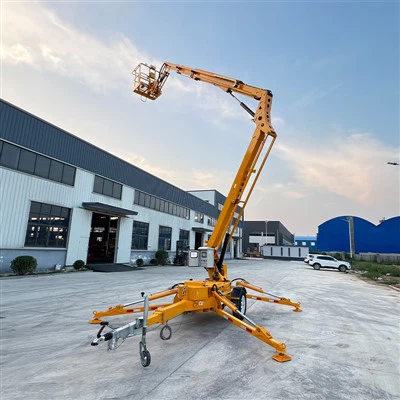
What is the footprint of scissor lift tables?
Scissor lift tables are versatile pieces of equipment widely used in various industries for lifting and positioning heavy loads. Understanding the footprint of scissor lift tables is crucial for businesses looking to optimize their workspace and ensure efficient operations. In this blog post, we'll explore what the footprint of scissor lift tables means, why it matters, and how it can impact your business. As a scissor lift tables supplier, we have extensive experience in providing high-quality equipment to meet the diverse needs of our customers.
Defining the Footprint of Scissor Lift Tables
The footprint of a scissor lift table refers to the area it occupies on the ground when fully extended or retracted. It includes the base dimensions of the lift table, which determine how much floor space it requires. The footprint is an important consideration because it affects the layout and utilization of your workspace. A larger footprint may limit the available space for other equipment or operations, while a smaller footprint can allow for more flexibility and efficient use of the area.
Factors Affecting the Footprint
Several factors can influence the footprint of scissor lift tables. These include the type of lift table, its design, and the maximum load capacity.
- Type of Lift Table: Different types of scissor lift tables have varying footprints. For example, Stage Scissor Lift are often designed for specific applications, such as stage performances or event setups. They may have a larger footprint to provide stability and support for the stage structure. On the other hand, Fixed Scissor Lift Tables are typically installed in a fixed location and may have a more compact footprint.
- Design: The design of the scissor lift table can also impact its footprint. Some lift tables are designed with a narrow base to minimize the footprint, while others may have a wider base for increased stability. Additionally, the number of scissor arms and the height of the lift can affect the overall footprint.
- Load Capacity: The maximum load capacity of the scissor lift table is another important factor. Higher load capacities often require a larger base to provide sufficient support. As a result, lift tables with higher load capacities may have a larger footprint compared to those with lower load capacities.
Importance of Considering the Footprint
Considering the footprint of scissor lift tables is essential for several reasons:
- Workspace Optimization: By choosing a scissor lift table with an appropriate footprint, you can optimize your workspace and make the most of the available area. This can help improve productivity and efficiency by reducing clutter and allowing for easier movement of equipment and personnel.
- Safety: A scissor lift table with a proper footprint ensures stability and reduces the risk of tipping or accidents. It is important to ensure that the lift table is installed on a level surface and that the footprint is sufficient to support the load.
- Cost-Effectiveness: Choosing a scissor lift table with the right footprint can also be cost-effective. A smaller footprint may require less floor space, which can result in lower rental or purchase costs. Additionally, a lift table with a smaller footprint may be more energy-efficient, reducing operating costs.
Types of Scissor Lift Tables and Their Footprints
Let's take a closer look at some common types of scissor lift tables and their typical footprints:
- Hydraulic Scissor Lift Tables: Hydraulic Scissor Lift Tables are one of the most popular types of scissor lift tables. They use hydraulic cylinders to raise and lower the platform. The footprint of hydraulic scissor lift tables can vary depending on the size and capacity of the table. Smaller hydraulic scissor lift tables may have a footprint as small as a few square feet, while larger models can have a footprint of several square meters.
- Mobile Scissor Lift Tables: Mobile scissor lift tables are designed to be easily moved around the workspace. They typically have a smaller footprint compared to fixed scissor lift tables, making them ideal for applications where flexibility is required. Mobile scissor lift tables can be equipped with wheels or casters for easy maneuverability.
- Heavy-Duty Scissor Lift Tables: Heavy-duty scissor lift tables are designed to handle large and heavy loads. They often have a larger footprint to provide stability and support for the load. These lift tables are commonly used in industrial settings, such as warehouses and manufacturing plants.
Choosing the Right Scissor Lift Table for Your Needs
When choosing a scissor lift table, it is important to consider the footprint in relation to your specific needs and requirements. Here are some tips to help you make the right decision:


- Assess Your Workspace: Measure the available space in your workspace to determine the maximum footprint that the scissor lift table can occupy. Consider factors such as doorways, aisles, and other equipment that may be in the vicinity.
- Determine the Load Capacity: Identify the maximum load capacity that you need the scissor lift table to handle. This will help you choose a lift table with the appropriate size and strength.
- Consider the Application: Think about the specific application for which you will be using the scissor lift table. Different applications may require different types of lift tables with varying footprints.
- Consult with a Supplier: As a scissor lift tables supplier, we have the expertise and knowledge to help you choose the right lift table for your needs. We can provide you with detailed information about the footprints of different models and help you make an informed decision.
Conclusion
The footprint of scissor lift tables is an important consideration when choosing the right equipment for your business. By understanding the factors that affect the footprint and considering your specific needs and requirements, you can choose a scissor lift table that optimizes your workspace, ensures safety, and provides cost-effective solutions. As a scissor lift tables supplier, we are committed to providing high-quality equipment and excellent customer service. If you have any questions or need assistance in choosing the right scissor lift table, please don't hesitate to contact us. We look forward to working with you to meet your lifting and positioning needs.
References
- Industry standards and guidelines for scissor lift tables
- Manufacturer specifications and product literature
- Case studies and real-world examples of scissor lift table applications