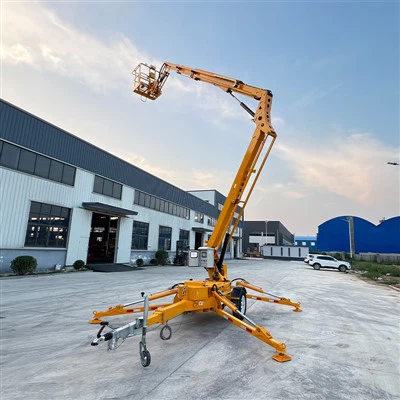
Hey there! As a supplier of manual scissor lifts, I often get asked about how to use the emergency stop function on these handy machines. Today, I'm going to break it down for you in a simple and easy - to - understand way.


What is a Manual Scissor Lift?
Before we dive into the emergency stop function, let's quickly talk about what a manual scissor lift is. Manual scissor lifts are great pieces of equipment that are used in a variety of settings, from small workshops to large warehouses. They're designed to lift heavy loads to different heights without the need for complex electrical or hydraulic systems. You can check out our Scissor Lift Cart and Trolly Scissor Lift Table for more options.
Why is the Emergency Stop Function Important?
Safety should always be your top priority when using any kind of equipment, and manual scissor lifts are no exception. The emergency stop function is a crucial safety feature that allows you to quickly halt all operations in case of an emergency. This could be anything from a sudden mechanical failure to an unexpected obstacle in the lift's path.
Locating the Emergency Stop Button
The first step in using the emergency stop function is to know where the emergency stop button is located. On most manual scissor lifts, the emergency stop button is a large, red button that's easy to spot. It's usually placed in a prominent location on the control panel or within easy reach of the operator. Take a few minutes to familiarize yourself with its position before you start using the lift.
How to Use the Emergency Stop Button
Using the emergency stop button is pretty straightforward. In case of an emergency, simply press the button firmly. The moment you press it, all movement of the scissor lift will come to an immediate stop. This includes both the upward and downward movement, as well as any lateral movement if the lift is mobile.
What to Do After Pressing the Emergency Stop Button
Once you've pressed the emergency stop button, there are a few things you need to do next.
Assess the Situation
First, take a look around to assess what caused the emergency. Is it a mechanical issue, like a stuck part or a broken cable? Or is it an external factor, such as a person or an object in the way? Understanding the cause will help you determine the next steps.
Check for Safety Hazards
Make sure there are no immediate safety hazards. Check for any loose parts, electrical problems, or other issues that could pose a risk. If you're not sure how to handle a particular situation, it's best to wait for a professional to arrive.
Reset the Lift
After you've addressed the cause of the emergency and ensured that it's safe to do so, you can reset the lift. To reset, simply turn the emergency stop button counter - clockwise or follow the manufacturer's instructions. Once the button is reset, you can test the lift for normal operation. Start by making small movements and gradually increase the scope of operation to make sure everything is working correctly.
Maintenance of the Emergency Stop Function
To ensure that the emergency stop function works properly when you need it, regular maintenance is essential.
Visual Inspections
Do a visual inspection of the emergency stop button regularly. Check for any signs of damage, such as cracks, loose connections, or dirt and debris. If you notice any issues, have them fixed immediately.
Function Testing
Periodically test the emergency stop function. You can do this during routine maintenance checks. Make sure that when you press the button, the lift stops immediately. If it doesn't, it could be a sign of a problem with the electrical or mechanical components.
Training for Operators
Proper training for operators is crucial when it comes to using the emergency stop function. All operators should be thoroughly trained on how to locate the emergency stop button, how to use it in case of an emergency, and what steps to take after pressing it.
On - the - Job Training
Provide on - the - job training to new operators. Have an experienced operator demonstrate the proper use of the emergency stop function and walk the new operator through the steps.
Regular Refresher Courses
Even experienced operators can benefit from regular refresher courses. These courses can help reinforce safety procedures and keep everyone up - to - date on any changes in the equipment or regulations.
Common Mistakes to Avoid
There are a few common mistakes that operators make when it comes to the emergency stop function.
Ignoring the Emergency Stop Button
Some operators may be hesitant to use the emergency stop button, thinking that it's an overreaction. However, it's always better to be safe than sorry. If you suspect that there's an emergency, don't hesitate to press the button.
Not Resetting the Lift Properly
As mentioned earlier, it's important to reset the lift properly after using the emergency stop button. Failing to do so can lead to further problems and may even damage the lift.
Conclusion
In conclusion, the emergency stop function on a manual scissor lift is a vital safety feature that can prevent accidents and protect both the operator and the equipment. By knowing how to locate the emergency stop button, how to use it correctly, what to do after pressing it, and how to maintain it, you can ensure the safe operation of your manual scissor lift.
If you're in the market for a manual scissor lift or have any questions about our products, don't hesitate to reach out. We're here to help you find the right equipment for your needs and provide you with all the support you need to use it safely and effectively.
References
- Industry safety guidelines for manual scissor lifts
- Manufacturer's manuals for manual scissor lifts