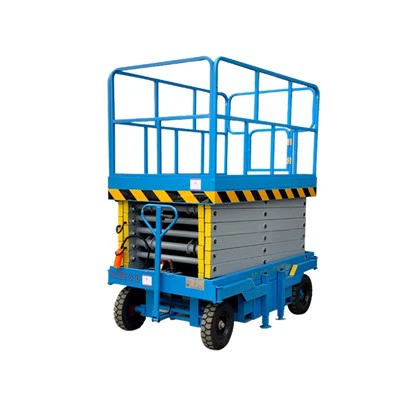
Hey there! As a supplier of Container Ramp, I've seen firsthand the importance of a stable container ramp. Whether you're loading and unloading goods from a container or using it for other industrial purposes, stability is key. In this blog, I'll share some tips on how to improve the stability of a container ramp.
1. Choose the Right Location
The first step in ensuring the stability of a container ramp is to choose the right location. You want to place the ramp on a flat, level surface. Uneven ground can cause the ramp to tilt, which not only affects stability but also poses a safety risk. Before setting up the ramp, take the time to inspect the area. If the ground is soft, you might need to use some kind of foundation, like a concrete pad or thick wooden planks, to provide a more stable base.
2. Check the Ramp's Structure
The structure of the ramp itself plays a huge role in its stability. Make sure the ramp is in good condition. Look for any signs of damage, such as cracks, bent parts, or loose connections. If you notice any issues, it's important to get them fixed right away. A damaged ramp is not only less stable but can also break down during use, leading to costly repairs and potential accidents.
3. Secure the Ramp Properly
Securing the ramp is crucial for stability. Most container ramps come with some kind of anchoring system. Use these anchors to secure the ramp to the ground or the container. This will prevent the ramp from sliding or moving during use. You can also use additional safety chains or ropes for extra security, especially if the ramp is going to be used in high - traffic areas or in conditions where there might be a lot of movement.
4. Consider the Load Capacity
Every container ramp has a specific load capacity. It's essential to know this capacity and never exceed it. Overloading the ramp can cause it to become unstable and potentially collapse. When planning your loading and unloading operations, make sure to calculate the weight of the goods and the equipment that will be using the ramp. If you need to handle heavier loads, consider investing in a ramp with a higher load capacity.
5. Regular Maintenance
Regular maintenance is key to keeping your container ramp stable. This includes cleaning the ramp regularly to remove dirt, debris, and any substances that could cause slipping. You should also lubricate moving parts, such as hinges and wheels, to ensure smooth operation. Inspect the ramp on a regular basis for any signs of wear and tear, and replace any worn - out parts as soon as possible.
6. Train Your Staff
Your staff plays a big role in the stability of the container ramp. Make sure they are properly trained on how to use the ramp safely. This includes understanding the load capacity, how to secure the ramp, and the correct way to drive equipment up and down the ramp. Proper training can prevent accidents and ensure that the ramp is used in a way that maintains its stability.
7. Use Anti - Slip Surfaces
An anti - slip surface on the ramp can significantly improve stability. It reduces the risk of equipment and personnel slipping, especially in wet or dirty conditions. There are various types of anti - slip materials available, such as textured coatings or rubber mats. Applying an anti - slip surface to the ramp can make a big difference in its safety and stability.
8. Adjust the Angle
The angle of the ramp can also affect its stability. A ramp that is too steep can be difficult to use and may cause the equipment to tip over. On the other hand, a ramp that is too shallow may not be practical for loading and unloading. Find the right angle for your specific needs. Most container ramps allow you to adjust the angle, so take advantage of this feature to ensure optimal stability.
9. Use Support Structures
In some cases, using additional support structures can enhance the stability of the container ramp. For example, you can use outriggers or support legs to provide extra support at the sides of the ramp. This is especially useful when dealing with heavy loads or when the ramp is being used on uneven ground.


10. Follow Manufacturer's Instructions
Finally, always follow the manufacturer's instructions for your container ramp. The manufacturer knows the ramp best and has provided guidelines on how to set it up, use it, and maintain it. By following these instructions, you can ensure that the ramp is used in a way that maximizes its stability and lifespan.
If you're in the market for a Container Ramp, Mobile Dock Ramps, or Dock Ramp For Forklift, and want to learn more about how to improve the stability of these products, feel free to reach out. We're here to help you make the right choice and ensure that your operations run smoothly and safely.
References
- General knowledge from years of experience in the container ramp industry.
- Manufacturer's manuals and guidelines for container ramps.