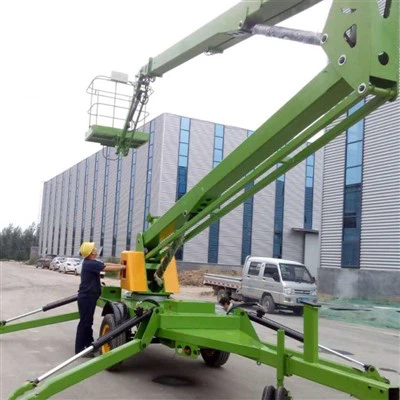
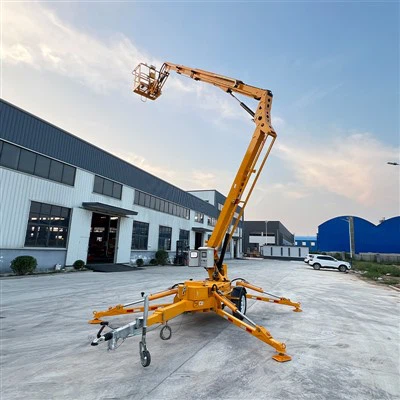
When it comes to enhancing accessibility and convenience at home, a porch lift can be a game-changer. As a porch lift supplier, I understand the importance of helping customers choose the right porch lift that meets their specific needs. In this blog post, I'll share some key factors to consider when making this important decision.
1. Understanding Your Requirements
The first step in choosing the right porch lift is to understand your specific requirements. Consider the following aspects:


Mobility Needs
- User's Mobility Level: Determine the mobility level of the person who will be using the lift. If the user has limited mobility and requires a wheelchair or scooter, you'll need a lift that can accommodate these devices. For example, if the user uses a standard wheelchair, make sure the lift has a platform large enough to fit the wheelchair comfortably.
- Frequency of Use: Think about how often the lift will be used. If it's for daily use, you'll need a lift that is durable and reliable. On the other hand, if it's for occasional use, a more basic model might suffice.
Porch Characteristics
- Porch Size and Layout: Measure the available space on your porch to ensure that the lift will fit properly. Consider the length, width, and height of the porch, as well as any obstacles such as columns or railings.
- Porch Surface: The surface of your porch can also affect the type of lift you choose. If your porch has a smooth surface, a wheeled lift might be a good option. However, if the surface is uneven or has a slope, a tracked lift might be more suitable.
2. Types of Porch Lifts
There are several types of porch lifts available on the market, each with its own features and benefits. Here are some common types:
Vertical Porch Lifts
- How They Work: Vertical porch lifts are designed to move straight up and down. They are typically installed against a wall or railing and use a platform to carry the user and their mobility device.
- Advantages: Vertical porch lifts are space-efficient and can be installed in areas with limited space. They are also relatively easy to operate and maintain.
- Disadvantages: Vertical porch lifts may not be suitable for porches with a lot of obstacles or a complex layout. They also require a solid foundation to support the weight of the lift and the user.
Inclined Porch Lifts
- How They Work: Inclined porch lifts are installed on a track that follows the slope of the porch. They use a chair or platform to carry the user up and down the porch.
- Advantages: Inclined porch lifts are more flexible than vertical lifts and can be installed on porches with a variety of slopes and layouts. They are also easier to install and can be customized to fit the specific needs of the user.
- Disadvantages: Inclined porch lifts take up more space than vertical lifts and may require more maintenance. They are also more expensive than vertical lifts.
Portable Porch Lifts
- How They Work: Portable porch lifts are designed to be easily moved and installed. They are typically lightweight and can be folded up for storage when not in use.
- Advantages: Portable porch lifts are a great option for people who need a temporary or occasional solution. They are also easy to transport and can be used on different porches.
- Disadvantages: Portable porch lifts may not be as durable or reliable as permanent lifts. They also have a lower weight capacity and may not be suitable for larger mobility devices.
3. Safety Features
Safety is a top priority when choosing a porch lift. Look for a lift that has the following safety features:
Emergency Stop Button
- Function: An emergency stop button allows the user to stop the lift immediately in case of an emergency.
- Importance: This feature is essential for ensuring the safety of the user and preventing accidents.
Safety Sensors
- Function: Safety sensors detect obstacles in the path of the lift and automatically stop the lift to prevent collisions.
- Importance: Safety sensors help to prevent damage to the lift and the user's mobility device, as well as reduce the risk of injury.
Seat Belt or Restraint System
- Function: A seat belt or restraint system helps to keep the user secure while the lift is in operation.
- Importance: This feature is especially important for users with limited mobility or balance issues.
4. Quality and Durability
Investing in a high-quality porch lift is essential for ensuring its long-term performance and reliability. Look for a lift that is made from durable materials and has a solid construction. Consider the following factors:
Materials
- Frame: The frame of the lift should be made from a strong and durable material such as steel or aluminum.
- Platform: The platform of the lift should be made from a non-slip material to prevent the user from slipping or falling.
- Tracks and Cables: The tracks and cables of the lift should be made from high-quality materials to ensure smooth and reliable operation.
Warranty
- Length: Look for a lift that comes with a warranty of at least one year. A longer warranty indicates that the manufacturer is confident in the quality of their product.
- Coverage: Make sure the warranty covers parts and labor, as well as any defects or malfunctions.
5. Cost and Budget
The cost of a porch lift can vary depending on the type, size, and features of the lift. Before making a decision, it's important to set a budget and consider the following factors:
Initial Cost
- Purchase Price: The purchase price of the lift is the most obvious cost. Make sure to compare prices from different suppliers to get the best deal.
- Installation Cost: The installation cost of the lift can also vary depending on the complexity of the installation. Make sure to get a quote from a professional installer before making a decision.
Operating Cost
- Energy Consumption: The energy consumption of the lift can also affect the operating cost. Look for a lift that is energy-efficient to reduce your electricity bill.
- Maintenance Cost: The maintenance cost of the lift includes regular inspections, lubrication, and replacement of parts. Make sure to factor in these costs when setting your budget.
6. Additional Features
In addition to the basic features, some porch lifts come with additional features that can enhance the user's experience. Here are some examples:
Remote Control
- Function: A remote control allows the user to operate the lift from a distance.
- Benefits: This feature is especially useful for users with limited mobility or those who need to operate the lift from a wheelchair or scooter.
Battery Backup
- Function: A battery backup ensures that the lift will continue to operate in case of a power outage.
- Benefits: This feature provides peace of mind and ensures that the user can still access the porch even during a power outage.
Weather Protection
- Function: Weather protection features such as a canopy or enclosure can protect the lift from the elements.
- Benefits: This feature helps to extend the lifespan of the lift and ensures that it will continue to operate in all weather conditions.
7. Choosing a Supplier
Choosing the right supplier is just as important as choosing the right porch lift. Look for a supplier that has a good reputation and offers quality products and services. Consider the following factors:
Experience and Expertise
- Years in Business: Look for a supplier that has been in business for several years. This indicates that they have the experience and expertise to provide you with a high-quality product and service.
- Customer Reviews: Read customer reviews and testimonials to get an idea of the supplier's reputation. Look for a supplier that has a high rating and positive feedback from customers.
Product Range
- Variety of Lifts: Look for a supplier that offers a variety of porch lifts to choose from. This allows you to find the lift that best meets your specific needs and budget.
- Customization Options: Some suppliers offer customization options, such as different colors, sizes, and features. This allows you to personalize your lift and make it unique.
Customer Service
- Responsiveness: Look for a supplier that is responsive to your inquiries and provides prompt and helpful customer service.
- Warranty and Support: Make sure the supplier offers a warranty and support for their products. This ensures that you will be able to get help if you have any problems with your lift.
Conclusion
Choosing the right porch lift for your needs can be a challenging task, but by considering the factors outlined in this blog post, you can make an informed decision. Remember to understand your requirements, choose the right type of lift, look for safety features, consider quality and durability, set a budget, and choose a reputable supplier. If you have any questions or need further assistance, please don't hesitate to [contact us for procurement and negotiation]. We're here to help you find the perfect porch lift for your home.
References
- "Porch Lift." Porch Lift
- "Home Wheelchair Elevator." Home Wheelchair Elevator
- "Home Wheelchair Lift." Home Wheelchair Lift