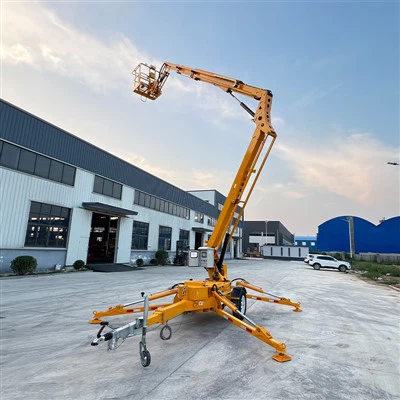
Hey there! As a supplier of dual mast lifts, I've seen firsthand how different environmental conditions can impact the use of these machines. One of the most challenging environments to operate in is a hot climate. In this blog post, I'll share some special considerations for using a dual mast lift in a hot climate.
Battery Performance
One of the first things to consider when using a dual mast lift in a hot climate is the battery performance. Batteries are sensitive to temperature, and high temperatures can significantly reduce their capacity and lifespan. When the temperature rises, the chemical reactions inside the battery speed up, causing the battery to discharge more quickly. This means that you may need to recharge the battery more frequently, which can be a hassle, especially if you're working on a tight schedule.
To mitigate the impact of high temperatures on the battery, it's important to keep the battery cool. You can do this by storing the lift in a shaded area when it's not in use and avoiding direct sunlight. You can also use a battery cooler or a fan to help keep the battery temperature down. Additionally, it's important to follow the manufacturer's recommendations for charging and maintaining the battery. Overcharging or undercharging the battery can also reduce its lifespan, so make sure you're using the correct charger and following the charging instructions carefully.
Hydraulic System
Another important consideration when using a dual mast lift in a hot climate is the hydraulic system. The hydraulic fluid in the lift is designed to operate within a specific temperature range, and high temperatures can cause the fluid to break down and lose its effectiveness. This can lead to a variety of problems, including reduced lifting capacity, slower operation, and increased wear and tear on the hydraulic components.
To prevent these issues, it's important to use a high-quality hydraulic fluid that is designed for use in high-temperature environments. You should also check the fluid level regularly and top it off as needed. Additionally, you should inspect the hydraulic hoses and fittings for signs of damage or leaks, as these can also cause problems in a hot climate. If you notice any issues with the hydraulic system, it's important to have them addressed as soon as possible to prevent further damage.
Operator Comfort
In a hot climate, operator comfort is also a major consideration. Working in high temperatures can be uncomfortable and even dangerous, especially if the operator is exposed to the sun for long periods of time. To keep the operator comfortable and safe, it's important to provide them with a shaded area to work in and to ensure that the lift is equipped with a cooling system.
You can also provide the operator with personal protective equipment (PPE) such as hats, sunglasses, and sunscreen to protect them from the sun. Additionally, it's important to encourage the operator to take regular breaks and stay hydrated to prevent heat exhaustion and other heat-related illnesses.


Maintenance
Regular maintenance is essential for ensuring the safe and reliable operation of a dual mast lift in a hot climate. In addition to the battery and hydraulic system, you should also inspect the lift's tires, brakes, and other components regularly to ensure that they are in good working condition. You should also clean the lift regularly to remove any dirt, debris, or other contaminants that can accumulate on the machine.
It's also important to follow the manufacturer's recommendations for maintenance and servicing. This may include changing the oil and filters, lubricating the moving parts, and inspecting the electrical system. By following these recommendations, you can help ensure that the lift is operating at its best and that it will last for many years to come.
Safety
Finally, safety is always a top priority when using a dual mast lift in a hot climate. In addition to the considerations mentioned above, there are a few other safety tips that you should keep in mind. First, make sure that the lift is properly secured and stable before you start using it. This may include using outriggers or other stabilizing devices to prevent the lift from tipping over.
You should also make sure that the operator is properly trained and certified to operate the lift. This includes understanding the lift's controls, safety features, and operating procedures. Additionally, you should provide the operator with a safety harness and other PPE to protect them in case of an accident.
Conclusion
Using a dual mast lift in a hot climate requires some special considerations to ensure the safe and reliable operation of the machine. By paying attention to the battery performance, hydraulic system, operator comfort, maintenance, and safety, you can help ensure that the lift is operating at its best and that it will last for many years to come.
If you're in the market for a dual mast lift, I encourage you to check out our Aluminum Aerial Work Platform and Telescopic Man Lift. We offer a wide range of high-quality dual mast lifts that are designed to meet the needs of any job. Contact us today to learn more about our products and to discuss your specific requirements.
References
- Manufacturer's manuals and guidelines for dual mast lifts
- Industry standards and best practices for operating equipment in hot climates
- Research studies on the impact of high temperatures on battery performance and hydraulic systems