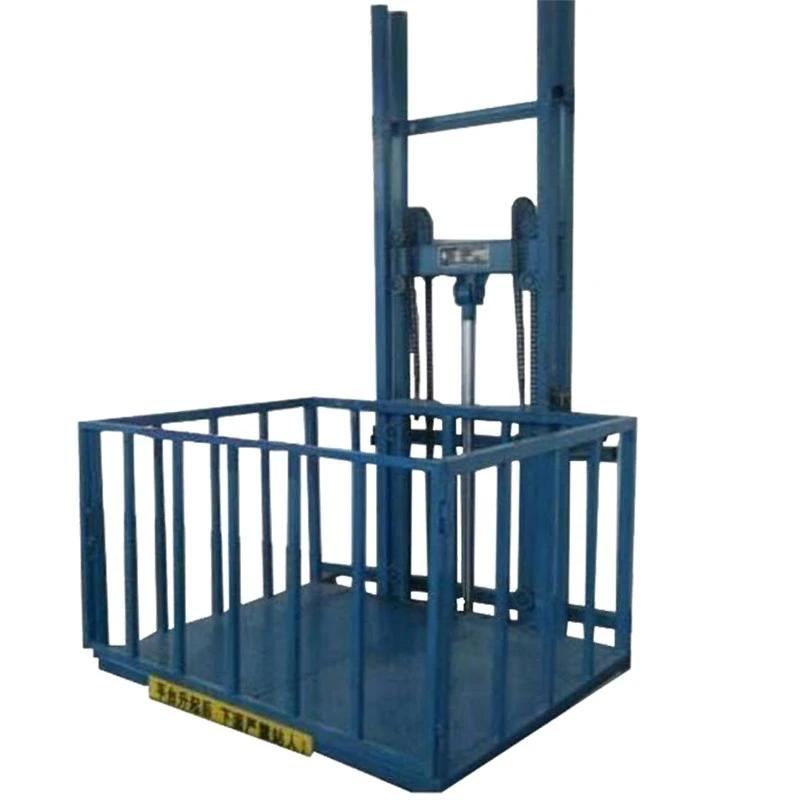
As a cargo lift supplier, I've seen firsthand how important fire prevention is in these essential pieces of equipment. Cargo lifts, whether they're Freight Elevator, Goods Lift, or Hydraulic Cargo Lift, are used in a variety of industrial and commercial settings to move goods between different levels. And with the presence of electrical components, lubricants, and sometimes even flammable cargo, the risk of fire is a real concern.

Understanding the Fire Risks in Cargo Lifts
Before we dive into the prevention measures, it's crucial to understand what causes fires in cargo lifts. Electrical malfunctions are one of the leading culprits. Over time, the wiring in a cargo lift can deteriorate, leading to short circuits. These short circuits can generate a significant amount of heat, which, if not addressed, can ignite nearby flammable materials.
Another common cause is the improper use or storage of lubricants. Cargo lifts rely on lubricants to ensure smooth operation. However, if these lubricants are spilled or not stored correctly, they can become a fire hazard. Additionally, if the lift is overloaded, it can put extra strain on the motor and other components, leading to overheating and potentially a fire.
Fire - Prevention Measures
Regular Inspections and Maintenance
One of the most effective ways to prevent fires in cargo lifts is through regular inspections and maintenance. This should include a thorough check of the electrical system. Inspectors should look for signs of frayed wires, loose connections, or overheating components. Any issues found should be addressed immediately.
The mechanical components of the lift also need to be inspected regularly. This includes checking the lubrication levels and the condition of the belts, chains, and pulleys. If any of these components are worn out or damaged, they should be replaced promptly.
Installation of Fire - Detection Systems
Installing fire - detection systems in cargo lifts is a must. Smoke detectors are a basic but essential part of any fire - prevention strategy. These detectors can quickly alert building occupants and the relevant authorities in the event of a fire.
Heat detectors are also useful, especially in areas where smoke may not be the first sign of a fire. For example, in the engine room of a cargo lift, a heat detector can sense an abnormal increase in temperature, indicating a potential problem.
Use of Fire - Resistant Materials
When building or renovating a cargo lift, it's important to use fire - resistant materials. This includes the walls and floors of the lift shaft, as well as any insulation materials. Fire - resistant materials can help contain a fire if one were to break out, preventing it from spreading quickly throughout the building.
Employee Training
Employees who operate or work around cargo lifts should receive proper training on fire - prevention measures. This training should cover topics such as how to recognize the signs of a potential fire, what to do in the event of a fire, and how to use fire - extinguishing equipment.
Proper Storage of Flammable Materials
If your cargo lift is used to transport flammable materials, it's crucial to ensure that these materials are stored and transported safely. This may involve using special containers or compartments within the lift to prevent spills. Additionally, the lift should be clearly marked to indicate that it is used for transporting flammable goods.
Emergency Response Planning
Even with the best fire - prevention measures in place, there's always a risk of a fire occurring. That's why it's important to have an emergency response plan in place. This plan should outline the steps that employees should take in the event of a fire, including how to evacuate the building safely and how to contact the fire department.
The emergency response plan should also include procedures for shutting down the cargo lift in case of a fire. This can help prevent the fire from spreading through the lift shaft and causing more damage.
Benefits of Implementing Fire - Prevention Measures
Implementing these fire - prevention measures offers several benefits. Firstly, it helps protect the lives of employees and building occupants. A fire in a cargo lift can quickly spread throughout a building, putting everyone at risk. By preventing fires from occurring or containing them quickly, you can ensure the safety of everyone in the vicinity.
Secondly, it protects your investment. Cargo lifts are expensive pieces of equipment, and a fire can cause significant damage. By taking steps to prevent fires, you can avoid costly repairs or replacements.
Finally, it can help you comply with local fire safety regulations. Many jurisdictions have strict regulations regarding fire safety in commercial and industrial buildings. By implementing these fire - prevention measures, you can ensure that your business is in compliance with these regulations.
Conclusion
As a cargo lift supplier, I understand the importance of fire prevention. By following the measures outlined above, you can significantly reduce the risk of fires in your cargo lifts. Regular inspections, installation of fire - detection systems, use of fire - resistant materials, employee training, and proper emergency response planning are all essential components of a comprehensive fire - prevention strategy.
If you're in the market for a new cargo lift or need to upgrade your existing one, don't hesitate to reach out. We can provide you with high - quality cargo lifts that are designed with fire - prevention in mind. Contact us today to discuss your specific needs and let's work together to ensure the safety and efficiency of your operations.
References
- National Fire Protection Association (NFPA). Fire Safety Codes and Standards.
- Occupational Safety and Health Administration (OSHA). Guidelines for Fire Safety in Industrial Settings.
- Manufacturer's Manuals for Cargo Lifts.