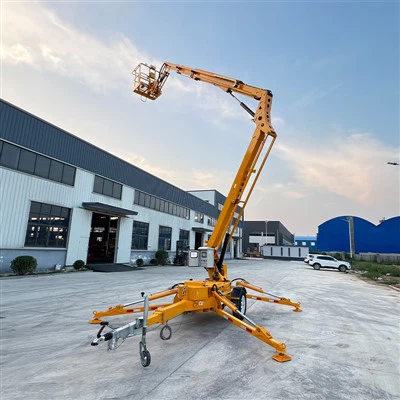
Hey there! I'm a supplier of container ramps, and I often get asked about how weather-resistant these ramps are. It's a crucial question, especially when you're investing in equipment that's going to be exposed to the elements day in and day out. So, let's dive right into it.
First off, what exactly are container ramps? They're essential tools for loading and unloading containers, making the process a whole lot easier and more efficient. You've got different types, like Hydraulic Dock Ramp and Mobile Dock Ramps. These ramps are used in all sorts of industries, from shipping yards to warehouses.
Now, let's talk about the weather. Mother Nature can be pretty unpredictable, and she throws all kinds of conditions at us. Rain, snow, extreme heat, and cold can all take a toll on equipment. So, how well do container ramps hold up?
Rain and Moisture
Rain is one of the most common weather conditions that container ramps have to deal with. When it rains, water can seep into the ramp's components, causing rust and corrosion over time. But don't worry, most high-quality container ramps are designed to resist this.
Many ramps are made from galvanized steel or aluminum. Galvanized steel has a protective zinc coating that acts as a barrier against moisture. It's like a shield that keeps the steel from coming into direct contact with water. Aluminum, on the other hand, is naturally resistant to corrosion. It forms a thin oxide layer on its surface when exposed to air, which helps prevent rust.
However, even with these protective measures, it's still important to take some precautions. If your ramp is going to be outside for an extended period, make sure it's properly drained. You don't want water pooling on the surface, as this can increase the risk of corrosion. Also, consider using a waterproof cover when the ramp is not in use. This can provide an extra layer of protection against the rain.
Snow and Ice
Snow and ice can be even more challenging for container ramps. The weight of the snow can put extra stress on the ramp's structure, and ice can make the surface slippery and dangerous.
To deal with snow, it's a good idea to clear it off the ramp as soon as possible. You can use a snow shovel or a snow blower to remove the snow. Just be careful not to damage the ramp's surface while you're doing it.
When it comes to ice, you can use de-icing agents to melt it. There are different types of de-icing agents available, such as salt and calcium chloride. However, be aware that some de-icing agents can be corrosive to the ramp's surface. So, make sure to choose a product that's safe for your ramp.
Another option is to install a heating system on the ramp. This can prevent ice from forming in the first place. Some container ramps come with built-in heating elements, while others can be retrofitted with a heating system.
Extreme Heat
Extreme heat can also affect container ramps. High temperatures can cause the metal to expand, which can lead to structural damage over time. Additionally, the heat can cause the ramp's surface to become slippery, especially if it's made of a smooth material.
To protect your ramp from extreme heat, you can use a reflective coating on the surface. This can help reduce the amount of heat absorbed by the ramp. You can also provide shade for the ramp, either by using a canopy or by positioning it in a shaded area.
Cold Temperatures
Cold temperatures can make the metal of the ramp more brittle, increasing the risk of cracking and breaking. It's important to choose a ramp that's designed to withstand cold temperatures.
Some ramps are made from materials that are specifically engineered for cold weather use. These materials have a lower ductile-to-brittle transition temperature, which means they're less likely to become brittle in cold weather.
When using a ramp in cold temperatures, make sure to warm it up before use. You can do this by using a heater or by allowing the ramp to sit in the sun for a while. This can help reduce the risk of damage caused by cold-induced brittleness.
UV Radiation
UV radiation from the sun can also damage container ramps. It can cause the paint or coating on the ramp to fade and peel, exposing the metal underneath to the elements.
To protect your ramp from UV radiation, you can use a UV-resistant coating. This can help prevent the paint or coating from fading and peeling. You can also provide shade for the ramp to reduce its exposure to the sun.
Maintenance is Key
No matter how weather-resistant your container ramp is, regular maintenance is essential. This includes inspecting the ramp for any signs of damage, such as cracks, rust, or loose components. You should also clean the ramp regularly to remove dirt, debris, and any corrosive substances.


If you notice any damage, it's important to repair it as soon as possible. Ignoring small problems can lead to bigger issues down the road, which can be more expensive and time-consuming to fix.
Conclusion
So, how weather-resistant are container ramps? Well, it depends on the quality of the ramp and how well it's maintained. High-quality ramps made from durable materials and designed to withstand different weather conditions can last for many years. However, it's important to take the necessary precautions to protect your ramp from the elements.
If you're in the market for a container ramp, make sure to choose a supplier that offers high-quality products and good customer support. And if you have any questions about weather resistance or any other aspect of container ramps, don't hesitate to reach out. We're here to help you make the right choice for your business.
If you're interested in purchasing a container ramp or have any questions about our products, feel free to contact us. We'd love to have a chat with you and discuss your specific needs.
References
- "Materials Science and Engineering: An Introduction" by William D. Callister Jr. and David G. Rethwisch
- "Handbook of Corrosion Engineering" by Pierre R. Roberge