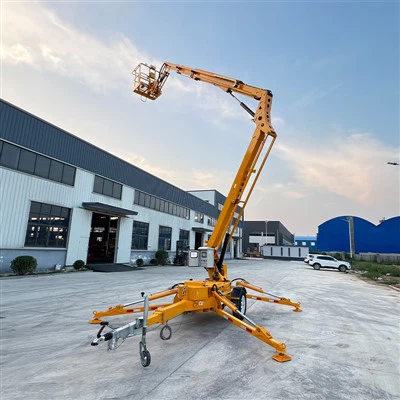
Vertical mast lifts are indispensable equipment in various industries, offering a safe and efficient solution for working at heights. As a supplier of vertical mast lifts, I understand the importance of regular inspections to ensure the safety and optimal performance of these machines. In this blog post, I will discuss how often a vertical mast lift should be inspected and the key factors to consider.
Importance of Regular Inspections
Regular inspections of vertical mast lifts are crucial for several reasons. Firstly, they help to identify and address potential safety hazards before they lead to accidents. A well - maintained lift reduces the risk of malfunctions, such as hydraulic leaks, electrical failures, or structural damage, which could endanger the operator and those in the vicinity.
Secondly, regular inspections ensure the lift operates at its best performance. This means increased productivity, as the lift will be able to function smoothly without unexpected breakdowns. It also helps to extend the lifespan of the equipment, saving costs on premature replacements.
Factors Influencing Inspection Frequency
The frequency of vertical mast lift inspections is not a one - size - fits - all answer. Several factors need to be considered:
1. Usage Intensity
If a vertical mast lift is used frequently, for example, in a busy construction site or a large warehouse where it is in operation for several hours a day, it will require more frequent inspections. High - intensity usage puts more stress on the lift's components, such as the mast, hydraulic system, and drive mechanism. In such cases, daily pre - use checks and weekly or bi - weekly comprehensive inspections are recommended.
On the other hand, if the lift is used sporadically, say once a month for minor maintenance tasks in a small facility, less frequent inspections may be sufficient. However, a pre - use check should still be conducted every time the lift is used.
2. Operating Environment
The environment in which the vertical mast lift operates also plays a significant role. In harsh environments, such as outdoor construction sites exposed to extreme weather conditions (rain, snow, high winds), dust, and debris, the lift is more likely to experience wear and tear. Corrosion can occur on metal parts, and dirt can clog the hydraulic and electrical systems. In these situations, inspections should be carried out more often, perhaps weekly or even more frequently during particularly adverse conditions.
In a clean, indoor environment like a modern office building where the lift is used for occasional ceiling repairs, the inspection interval can be longer, such as monthly or quarterly.
3. Manufacturer's Recommendations
The manufacturer of the vertical mast lift provides specific guidelines on inspection frequencies. These recommendations are based on extensive testing and research during the design and development of the lift. It is essential to follow these guidelines as they are tailored to the specific model and its components. Some manufacturers may recommend a comprehensive inspection every 250 operating hours or every six months, whichever comes first.
Recommended Inspection Schedules
Based on the above factors, here are some general recommended inspection schedules:
1. Daily Pre - Use Checks
Before each use, the operator should conduct a quick visual inspection of the vertical mast lift. This includes checking for any visible damage, such as cracks in the mast or platform, loose bolts, or leaks in the hydraulic system. The operator should also test the controls, brakes, and emergency stop buttons to ensure they are functioning properly.
2. Weekly or Bi - Weekly Inspections
For lifts that are used frequently, a more in - depth inspection should be carried out on a weekly or bi - weekly basis. This inspection should cover all major components of the lift, including the mast, hydraulic cylinders, electrical system, and tires. The hydraulic fluid level should be checked, and the hoses should be inspected for signs of wear or damage. The electrical connections should be tightened, and the battery should be tested if it is an electric - powered lift.
3. Monthly Inspections
Monthly inspections are suitable for lifts with moderate usage. In addition to the checks carried out in the weekly inspections, a monthly inspection should include a more detailed examination of the lift's safety features, such as the overload protection system and the fall arrest device. The mast's alignment should be checked to ensure it is vertical and stable.
4. Quarterly or Semi - Annual Inspections
For lifts that are used less frequently or in a relatively clean environment, a quarterly or semi - annual inspection may be sufficient. These inspections should be carried out by a qualified technician and should include a comprehensive assessment of the lift's mechanical, hydraulic, and electrical systems. The technician may also perform load testing to ensure the lift can safely carry its rated capacity.
Types of Inspections
1. Visual Inspections
Visual inspections are the most basic type of inspection and should be carried out regularly. During a visual inspection, the inspector looks for any obvious signs of damage, wear, or corrosion. This can include checking the mast for dents or cracks, the platform for loose boards or damaged guardrails, and the tires for uneven wear or punctures.
2. Functional Inspections
Functional inspections involve testing the various functions of the vertical mast lift to ensure they are working correctly. This includes operating the lift up and down, extending and retracting any jibs (if applicable), and testing the steering and drive controls. The emergency stop button should also be tested to ensure it can immediately halt the lift's operation in case of an emergency.
3. Diagnostic Inspections
Diagnostic inspections are more in - depth and are usually carried out by a qualified technician using specialized tools and equipment. These inspections can detect problems that may not be visible during a visual or functional inspection. For example, a diagnostic inspection can identify internal hydraulic leaks, electrical shorts, or problems with the lift's control system.


Our Vertical Mast Lift Products
As a supplier, we offer a wide range of vertical mast lifts to meet different customer needs. Our Aluminum Single Man Lift is lightweight, easy to maneuver, and ideal for indoor maintenance tasks. It is made of high - quality aluminum, which is resistant to corrosion and ensures a long service life.
Another popular product is our Self - propelled Vertical Mast With JIB. This lift provides additional reach with its jib, allowing operators to access hard - to - reach areas. It is self - propelled, which means it can be easily moved around the work area without the need for external power sources.
Conclusion
In conclusion, the frequency of vertical mast lift inspections depends on several factors, including usage intensity, operating environment, and manufacturer's recommendations. Regular inspections are essential for ensuring the safety and performance of the lift. By following the recommended inspection schedules and types of inspections, operators can minimize the risk of accidents and extend the lifespan of the equipment.
If you are in the market for a vertical mast lift or need more information about our products and inspection services, we encourage you to contact us for a detailed discussion. Our team of experts is ready to assist you in finding the right lift for your needs and ensuring its proper maintenance.
References
- Occupational Safety and Health Administration (OSHA) standards related to aerial work platforms.
- Manufacturer's manuals for vertical mast lifts.
- Industry best practices for the maintenance and inspection of lifting equipment.