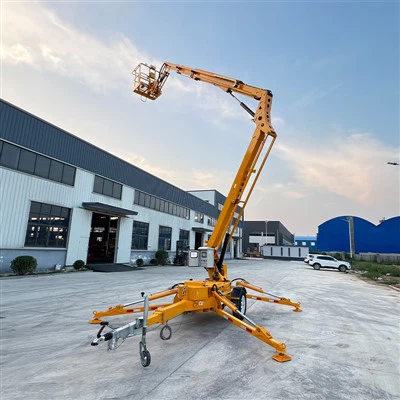
As a supplier of mobile scissor lifts, I often encounter questions from customers about the transportation and usage of these essential pieces of equipment. One of the most frequently asked questions is whether a mobile scissor lift can be towed. In this blog post, I will delve into this topic in detail, exploring the factors that determine whether towing is possible, the potential risks, and the best practices for transporting mobile scissor lifts.
Understanding Mobile Scissor Lifts
Before we discuss towing, it's important to understand what mobile scissor lifts are and how they work. Mobile scissor lifts are versatile pieces of equipment used in various industries, including construction, maintenance, and warehousing. They are designed to provide a safe and stable platform for workers to reach elevated areas.


There are different types of mobile scissor lifts available in the market, including Self-propelled Scissor Lift Table, Scissor Lift Cart, and Self-propelled Hydraulic Scissor Lift. Each type has its own unique features and capabilities, but they all share the common characteristic of being mobile and able to be moved from one location to another.
Factors Determining Towing Feasibility
Whether a mobile scissor lift can be towed depends on several factors, including the design and construction of the lift, its weight and dimensions, and the towing vehicle's capabilities.
Design and Construction
Some mobile scissor lifts are specifically designed to be towed, while others are not. Lifts that are designed for towing typically have features such as a tow hitch, a sturdy frame, and appropriate tires. These features ensure that the lift can be safely and securely towed without causing damage to the lift or the towing vehicle.
On the other hand, lifts that are not designed for towing may not have the necessary structural integrity or components to withstand the forces associated with towing. Towing a lift that is not designed for this purpose can lead to damage to the lift, including bent frames, broken components, and tire damage.
Weight and Dimensions
The weight and dimensions of the mobile scissor lift also play a crucial role in determining whether it can be towed. Towing a lift that is too heavy or oversized for the towing vehicle can put excessive strain on the vehicle's engine, transmission, and brakes, increasing the risk of accidents and mechanical failures.
It's important to check the manufacturer's specifications for the lift and the towing vehicle to ensure that the weight and dimensions are within the recommended limits. Additionally, the towing vehicle should be equipped with the appropriate towing capacity and equipment, such as a trailer hitch and safety chains.
Towing Vehicle's Capabilities
The capabilities of the towing vehicle are another important factor to consider. The vehicle should have sufficient power and torque to tow the lift safely, as well as a stable suspension and braking system. It's also important to ensure that the vehicle is properly equipped with the necessary towing accessories, such as a trailer hitch, wiring harness, and mirrors.
In addition to the vehicle's capabilities, the driver's experience and skill level are also important. Towing a mobile scissor lift requires special skills and knowledge, including how to properly attach the lift to the towing vehicle, how to drive safely with a towed load, and how to handle emergency situations.
Potential Risks of Towing a Mobile Scissor Lift
While towing a mobile scissor lift can be a convenient way to transport the equipment, it also comes with several potential risks. These risks include:
Damage to the Lift
As mentioned earlier, towing a lift that is not designed for towing or that is overloaded can cause damage to the lift. This damage can range from minor cosmetic issues to major structural damage, which can affect the lift's performance and safety.
Accidents and Collisions
Towing a mobile scissor lift increases the length and weight of the towing vehicle, which can make it more difficult to maneuver and stop. This increases the risk of accidents and collisions, especially in traffic or on narrow roads.
Safety Hazards for Workers
If the lift is not properly secured during towing, it can pose a safety hazard to workers and bystanders. The lift may shift or tip over during transport, causing injuries or damage to property.
Best Practices for Towing a Mobile Scissor Lift
To minimize the risks associated with towing a mobile scissor lift, it's important to follow these best practices:
Check the Manufacturer's Recommendations
Before towing a mobile scissor lift, always check the manufacturer's recommendations and guidelines. The manufacturer will provide information on whether the lift can be towed, the maximum towing speed, the recommended towing vehicle, and the proper towing procedures.
Use the Right Towing Equipment
Make sure to use the right towing equipment, including a trailer hitch, safety chains, and wiring harness. The towing equipment should be properly rated for the weight and size of the lift.
Secure the Lift Properly
Before towing the lift, make sure it is properly secured to the towing vehicle. Use straps or chains to secure the lift to the trailer hitch, and make sure the lift is level and balanced.
Drive Safely
When towing a mobile scissor lift, drive safely and cautiously. Allow extra time and distance to stop, and avoid sudden maneuvers or sharp turns. Be aware of the increased length and weight of the towing vehicle, and adjust your driving accordingly.
Inspect the Lift Regularly
During transport, inspect the lift regularly to ensure that it is still properly secured and that there are no signs of damage or wear. If you notice any issues, stop the vehicle immediately and address the problem before continuing.
Conclusion
In conclusion, whether a mobile scissor lift can be towed depends on several factors, including the design and construction of the lift, its weight and dimensions, and the towing vehicle's capabilities. While towing a mobile scissor lift can be a convenient way to transport the equipment, it also comes with several potential risks. To minimize these risks, it's important to follow the manufacturer's recommendations, use the right towing equipment, secure the lift properly, drive safely, and inspect the lift regularly.
If you have any questions or need further information about towing a mobile scissor lift, please feel free to contact us. We are a leading supplier of mobile scissor lifts, and our team of experts is always available to provide you with the guidance and support you need. Whether you are looking for a Self-propelled Scissor Lift Table, Scissor Lift Cart, or Self-propelled Hydraulic Scissor Lift, we have the right solution for your needs. Contact us today to discuss your requirements and get a quote.
References
- Manufacturer's manuals and specifications for mobile scissor lifts
- Towing vehicle manufacturer's guidelines and recommendations
- Industry standards and regulations for towing equipment